Planning to Move Forward in Tanzania

Planning is a risky business. We don’t know the future. We take our best guesses and try to do everything possible so that something goes according to plans we’ve made. However, all of that still falls far short of guaranteeing the outcome. God reminds us: “Now listen, you who say, ‘Today or tomorrow we will go to this or that city, spend a year there, carry on business and make money.’ Why, you do not even know what will happen tomorrow.” (James 4:13,14)


God’s Plans Always Prevail

The African Mission Evangelism Church (AMEC) is a Lutheran church of about 13,000 souls in Tanzania. Plans for a declaration of fellowship with AMEC didn’t come to fruition at our recent WELS convention. There was a sudden leadership change and a delay on AMEC’s side in accomplishing some tasks. Plans that had been made were put on hold. WELS and AMEC mutually decided it would be better to take a little bit more time before proceeding.
planning to move forward in Tanzania

God warns us about putting too much hope in our own plans. He also spoke through Jeremiah: “For I know the plans I have for you,” declares the LORD, “plans to prosper you and not to harm you, plans to give you hope and a future. (Jeremiah 29:11). Though our plans might not work out, God’s plans always do. He knows what he has in store for all of us, and we know that his plans are good.

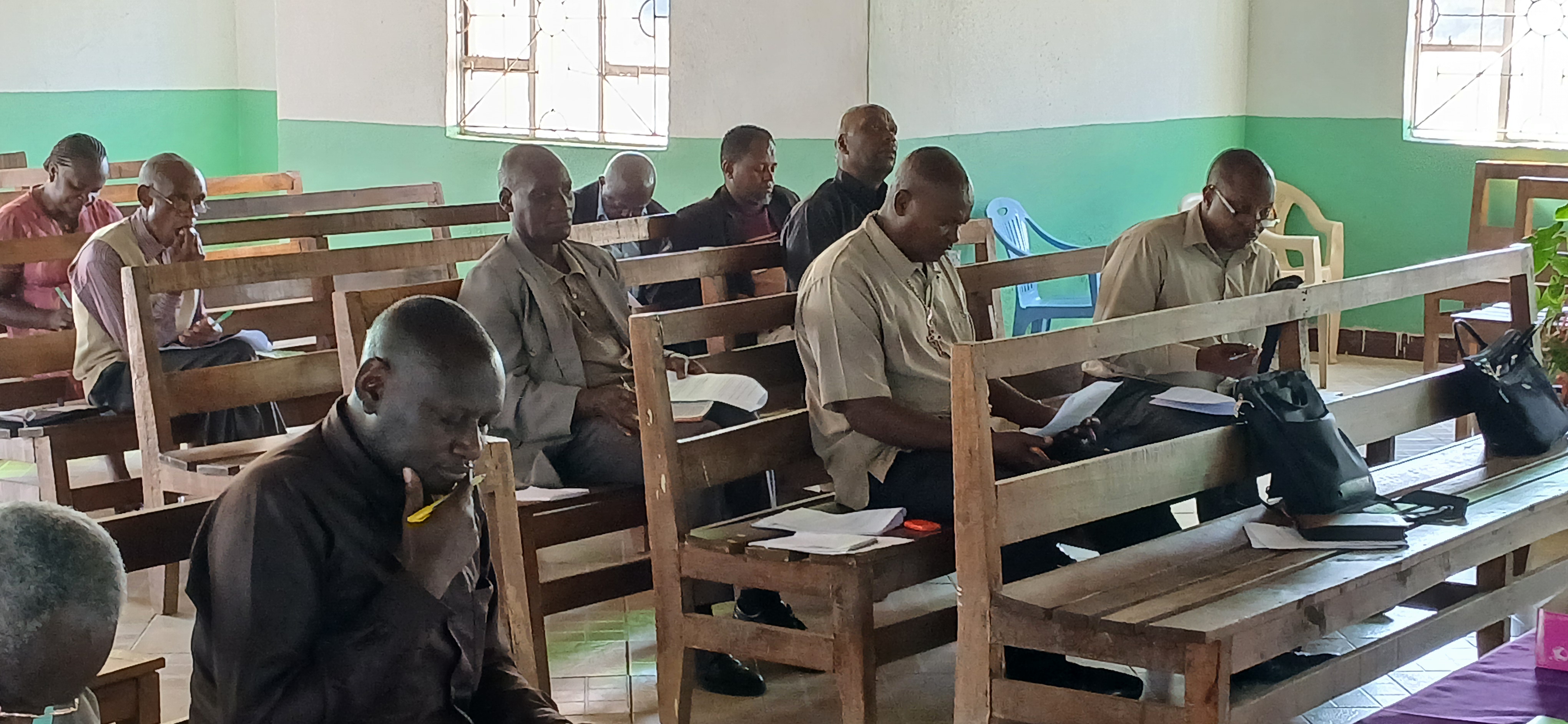
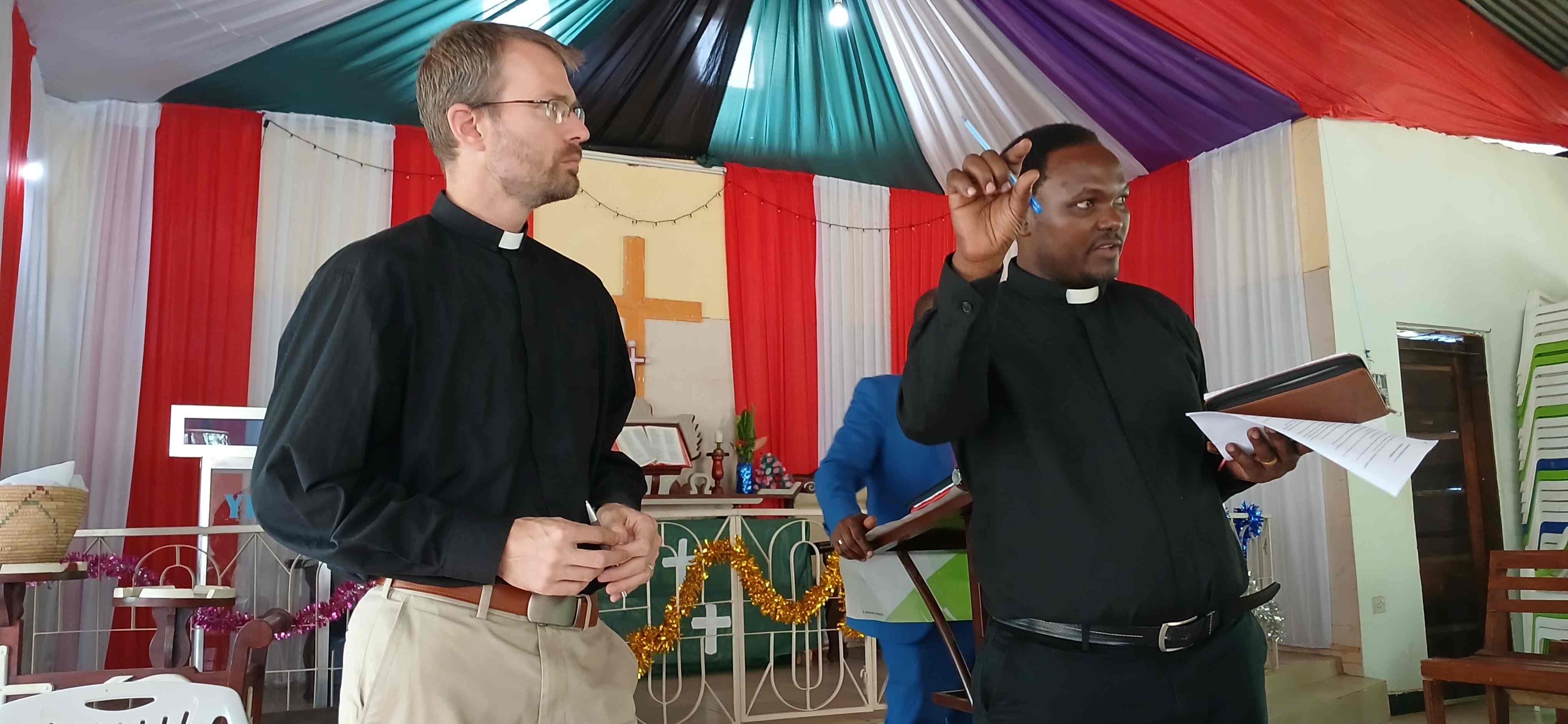
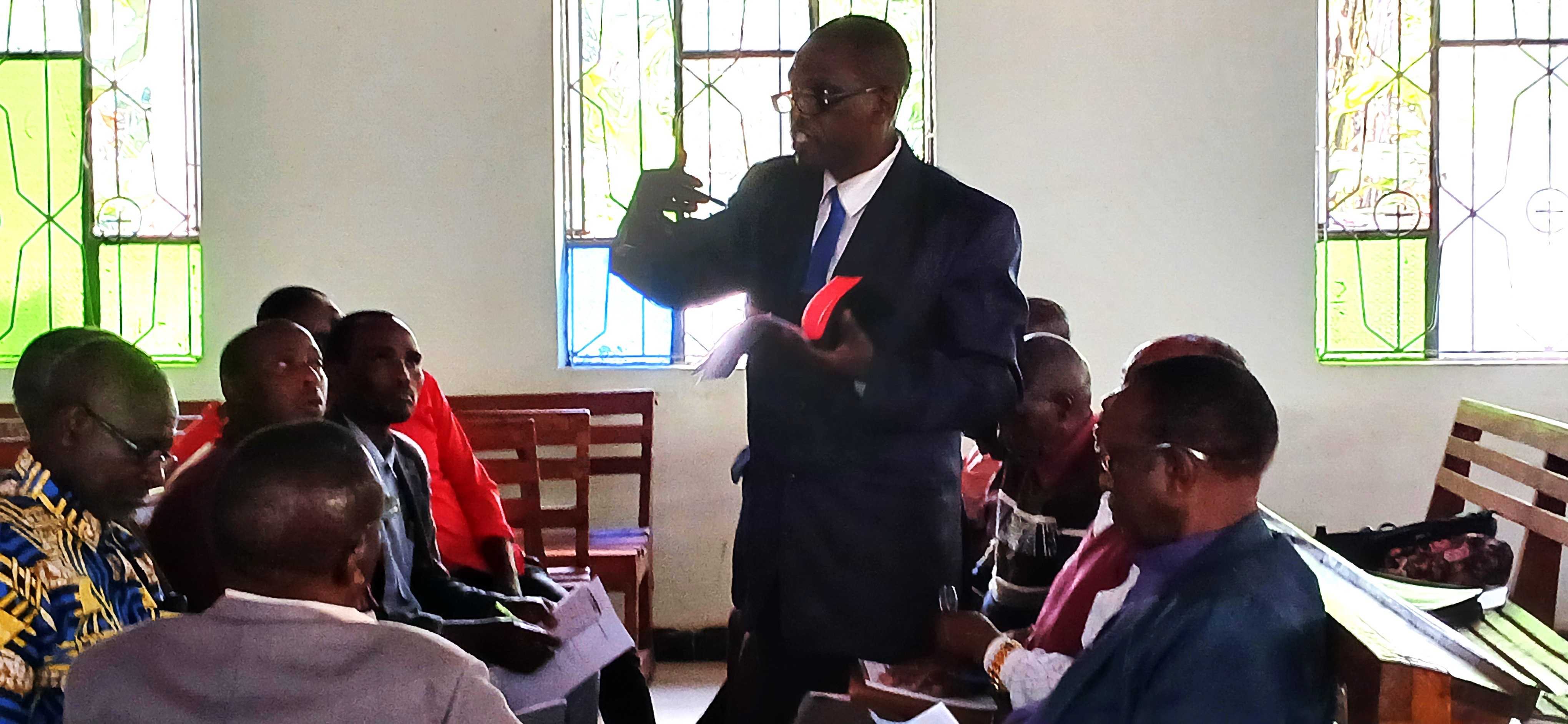
I don’t doubt that his plans for the relationship between WELS and AMEC are good as well. We have made progress even in the short time since the delay. It looks like we will be ready to move forward with AMEC sooner rather than later. During a recent visit to Tanzania, Missionaries Roebke and Foxen witnessed good teaching by the leaders of AMEC. They explained to the rest of their called workers a locally written, Swahili-language confession of faith. The called workers thoroughly discussed many of the points in the confession. In the end, 65 men voiced their agreement that these are the things they believe and practice. This was a decision the WELS missionaries certainly rejoiced to hear.
planning to move forward in tanzania

Planning Our Move to Tanzania

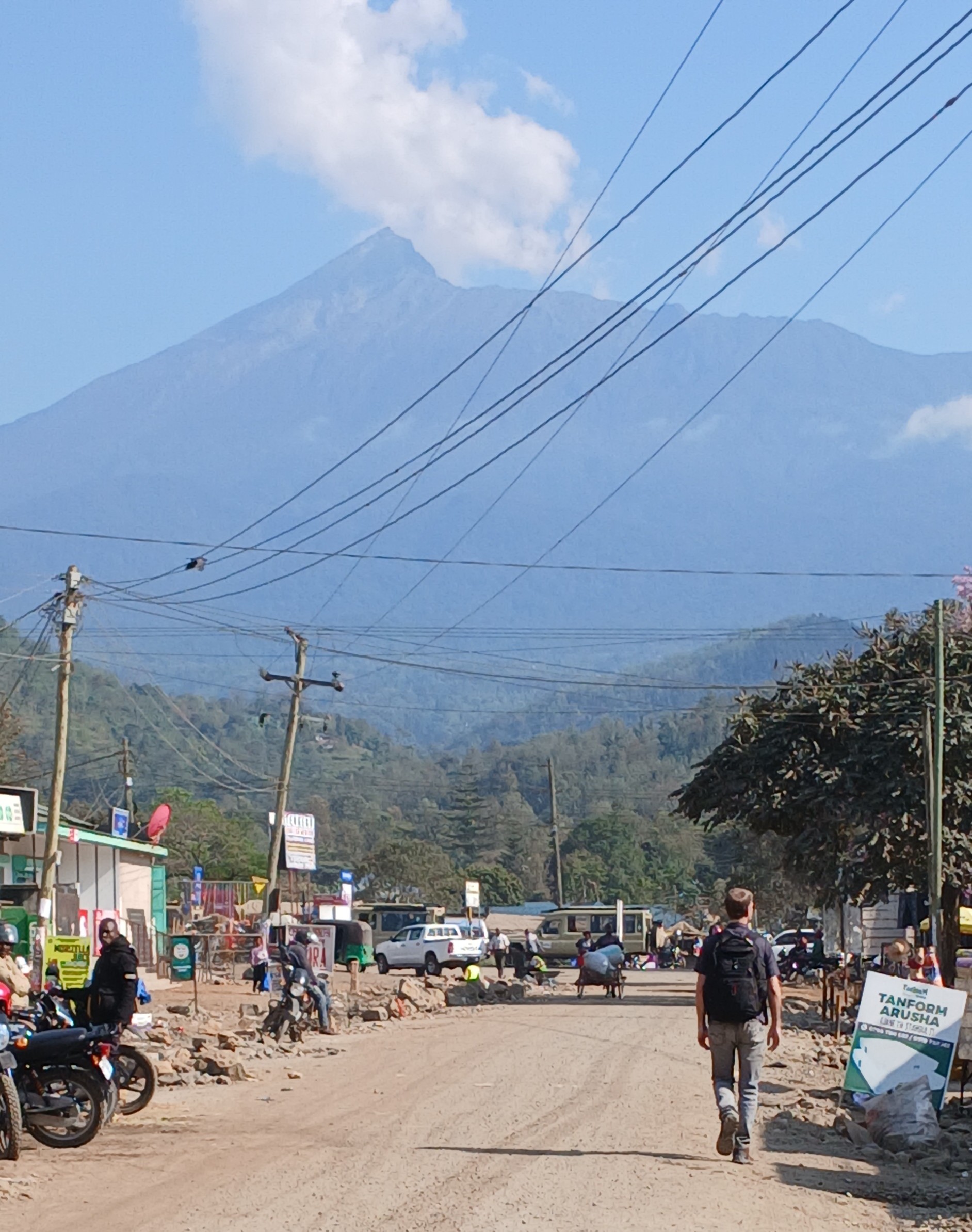
Because of these developments, the One Africa Team has decided to relocate two mission families to Arusha, Tanzania. Missionaries Foxen and Roebke will be able to focus on training future church workers in AMEC. Through a program of classroom instruction and practical ministry application, the missionaries are planning to train a select number of AMEC men. Those men will become trainers of future gospel workers within their church body. Our prayer is that these men will be able to pass the same kind of training on to others in AMEC. God-willing, this will ensure a good future supply of gospel workers for their church body.

Such an endeavor requires even more planning. We are currently working with local lawyers to register our mission organization in Tanzania in order to obtain work permits. The missionary families will be leaving their old residences and searching for new ones. Missionaries are making efforts to maximize Swahili language learning when on the ground. The One Africa Team is weighing how these changes will affect the responsibilities of each member of the team. Of utmost concern is securing our families’ welfare in an area where we’ve never had WELS missionaries.
planning to move forward in Tanzania

There’s a lot to think about and plan for, but also a lot to be gained. As with everything we do in life, we make our plans as best we can. At the same time, we trust that God’s plan is the one that will actually be accomplished. God will reveal in time how our planning lines up with his plan. We will continue to trust that whatever he has in store, it will be good. We know his planning is good for our missionaries and their families, for AMEC, for WELS, and ultimately for the kingdom of God. All glory to his name for his marvelous plan!

Missionary Ben Foxen lives in Zambia.

Please pray for those working in fields that are ripe for harvest. Share their story, engage with future news, and receive updates. Learn more about our mission fields in Africa and how the Holy Spirit is working faith in people’s hearts at https://wels.net/serving-others/missions/africa


A New Bishop in Tanzania

The Apostle Paul once wrote to Timothy, “This is a faithful saying: if a man desires the position of a bishop, he desires a good work.” (1 Timothy 3:1, NKJV). In other translations, the word “bishop” is rendered “overseer.” Regardless of the term used, the role carries the same weight: to care for Christ’s church, to faithfully teach God’s Word, and to lead with humility—much like a father guiding his family. Paul’s words remind us that this is indeed a noble calling.


A Historic Day in Arusha

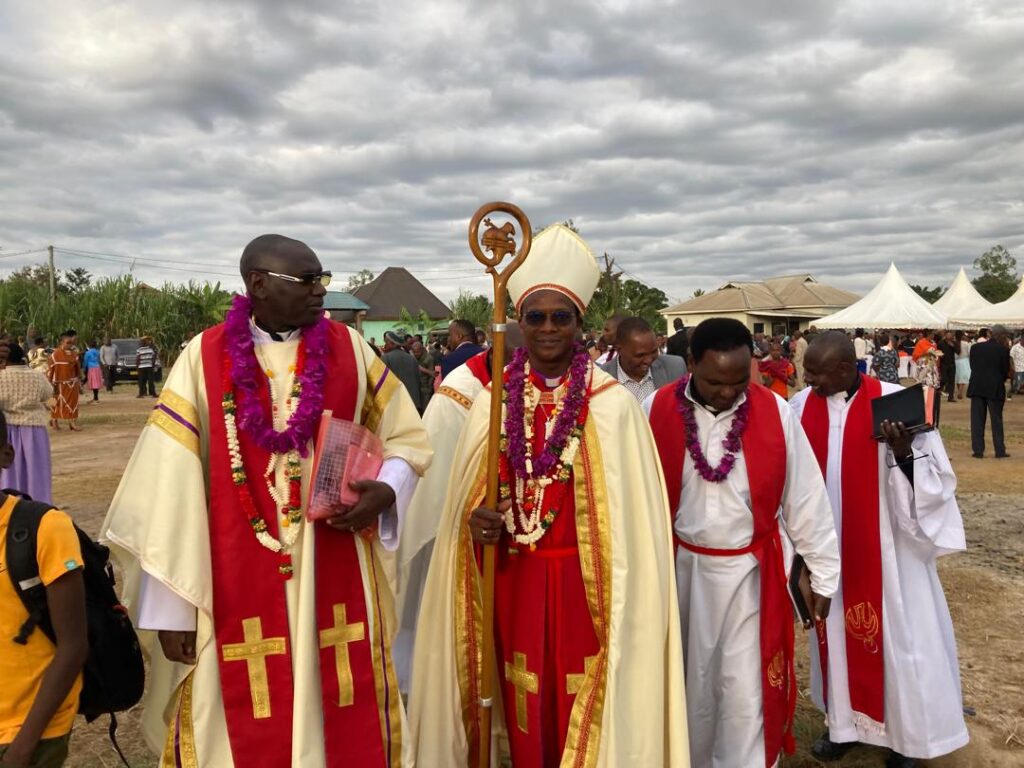
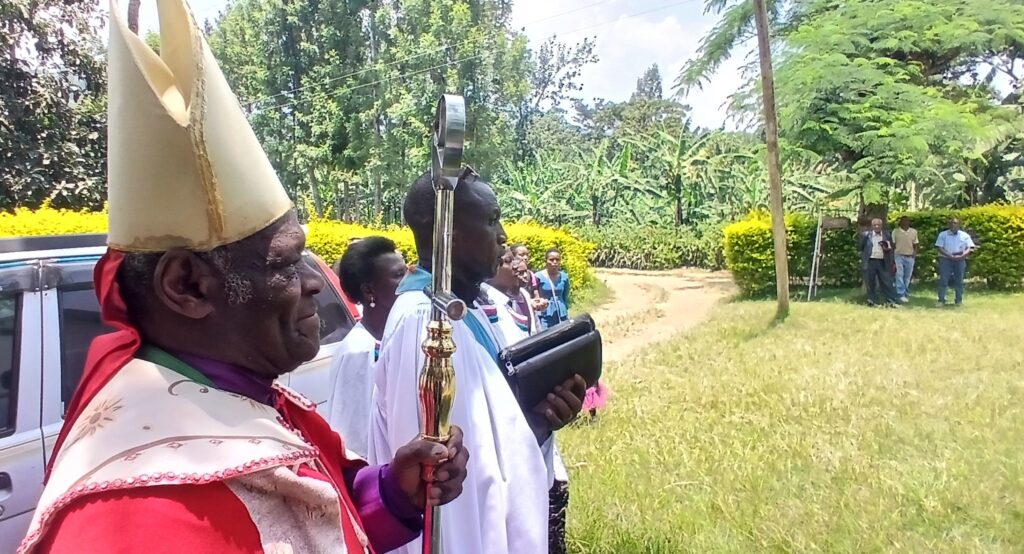
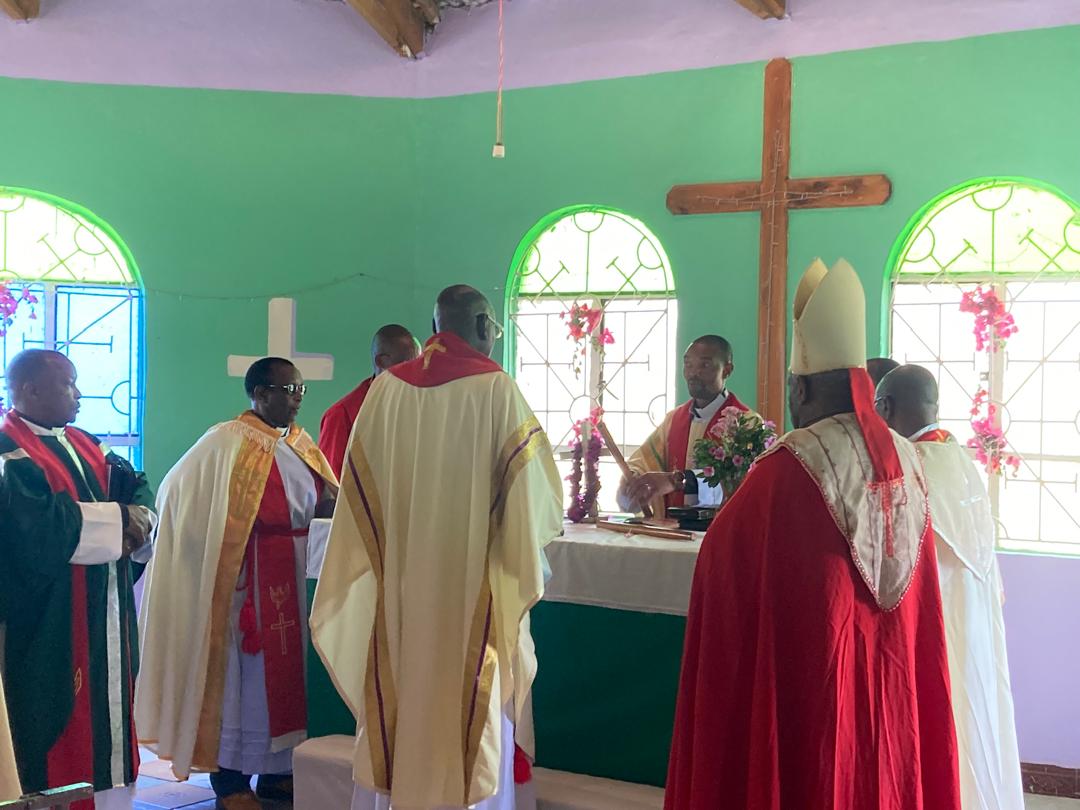
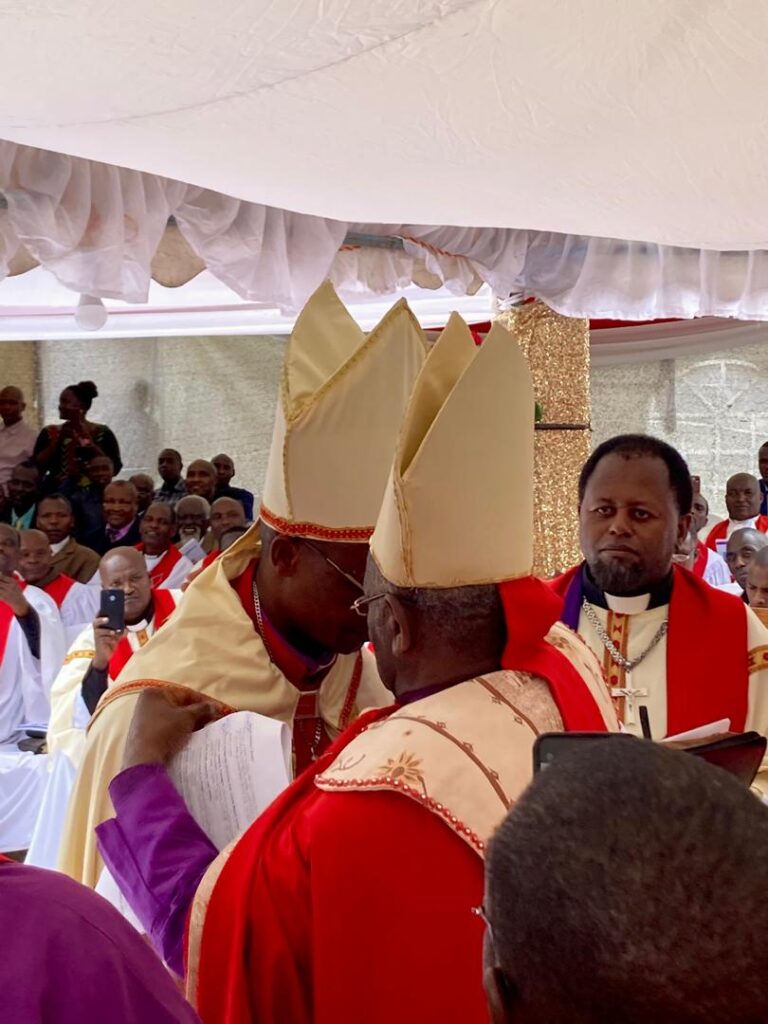
On Sunday, June 29, 2025, just outside Arusha, Tanzania, a significant milestone was reached. After 17 years of faithful service, Bishop Baltazari Kaaya of the Africa Mission Evangelism Church (AMEC) consecrated Pastor Judah Pallangyo as the newly elected bishop. Bishop Pallangyo has long been a dedicated servant within AMEC, having served both as a pastor and as Secretary of Theological Training.

AMEC and WELS: A Growing Relationship

In recognition of the growing relationship between Wisconsin Evangelical Lutheran Synod (WELS) and AMEC, Missionary Howard Mohlke was invited to attend the consecration. The relationship between AMEC and the WELS began in 2020 through online conversations with Pastor Makundi Davis, leader of the Kilimanjaro District. The following year, WELS Missionary John Hartmann visited Tanzania, marking the beginning of a deeper partnership.

Over the past four years, WELS missionaries and members of the Commission on Inter-Church Relations (CICR) have met regularly with AMEC leaders, pastors, and elders. These meetings have focused on studying Scripture together and exploring whether a shared confession of faith exists—one that could be publicly affirmed through a declaration of fellowship.

A Pause for Reflection

Originally, it was hoped that a formal declaration of fellowship could be made at the 2025 WELS Synod Convention. However, as is often the case in ministry, plans can shift. Bishop Pallangyo has requested more time to revisit the statements of faith with AMEC’s pastors and elders before moving forward.

While this delay may be disappointing to some, it is also understandable. A new bishop stepping into such a pivotal moment naturally wants to ensure unity and clarity among his church leaders.

bishop

Looking Ahead with Hope

Even now as of this writing, further meetings for study among the pastors and elders of AMEC are scheduled, as well as meetings to discuss the future work of the WELS Mission Team with AMEC. We pray for God’s guidance and blessing on these discussions and on the future of AMEC’s relationship with WELS. May this new chapter under Bishop Pallangyo’s leadership be marked by wisdom, faith, and fruitful collaboration.

Missionary Howard Mohlke lives in Zambia and is the One Africa Team Leader

Please pray for those working in fields that are ripe for harvest. Share their story, engage with future news, and receive updates. Learn more about our mission fields in Africa and how the Holy Spirit is working faith in people’s hearts at https://wels.net/serving-others/missions/africa


Blessed be the Tongue that Ties

On Pentecost, the Holy Spirit gave each of Jesus’ disciples the ability to speak in a foreign tongue instantly. God tied three thousand people to Himself in one day through the message they proclaimed in their listeners’ mother tongues. Would the results have been similar if the disciples had preached in Greek or Latin? On Pentecost, God did more than perform a miracle. He displayed his love for people of every tongue and tribe.

Speaking to someone in their heart language does more than convey information. If you speak three sentences to someone in his native tongue you will instantly establish trustworthiness. You show that you are committed to your listener’s culture and language. Your tongue ties you to his community.  


Time to Teach the Tongue

Over three thousand languages are spoken in Africa. People speak some of them within their ethnic group. Other languages like English, French, Arabic, and Swahili cross tribal boundaries. Most people speak at least two or three languages. There are some similarities between languages of the same family (like Bantu, Nilotic, or Khosaian) but it still takes time to learn any language.

God has given me an aptitude for picking up foreign tongues. My experience speaking Chichewa for seven years in Malawi has helped me speak Swahili at a basic level. Swahili is spoken primarily in Tanzania and Kenya, and some parts of the DRC and Uganda.

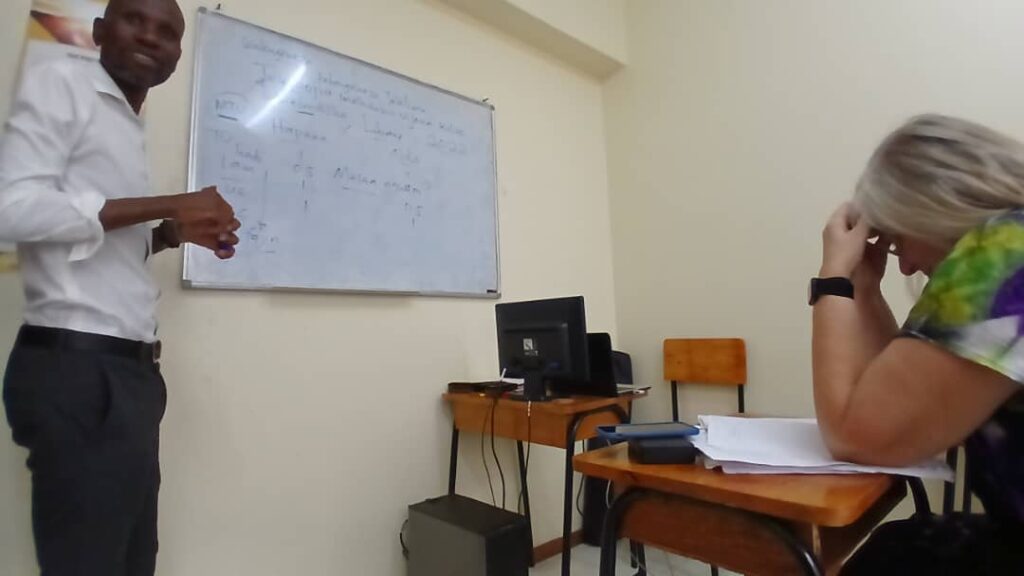
Before my last trip to Kenya and Tanzania, I found a Swahili-speaking Malawian who teaches at a local language school. My wife and I met with him in January. We have both studied some Swahili independently but made significant progress with our teacher’s instruction. And this helped us immensely the next month when we traveled to Kenya.

tongue
“Hitting the wall” during Swahili class

Home Advantage

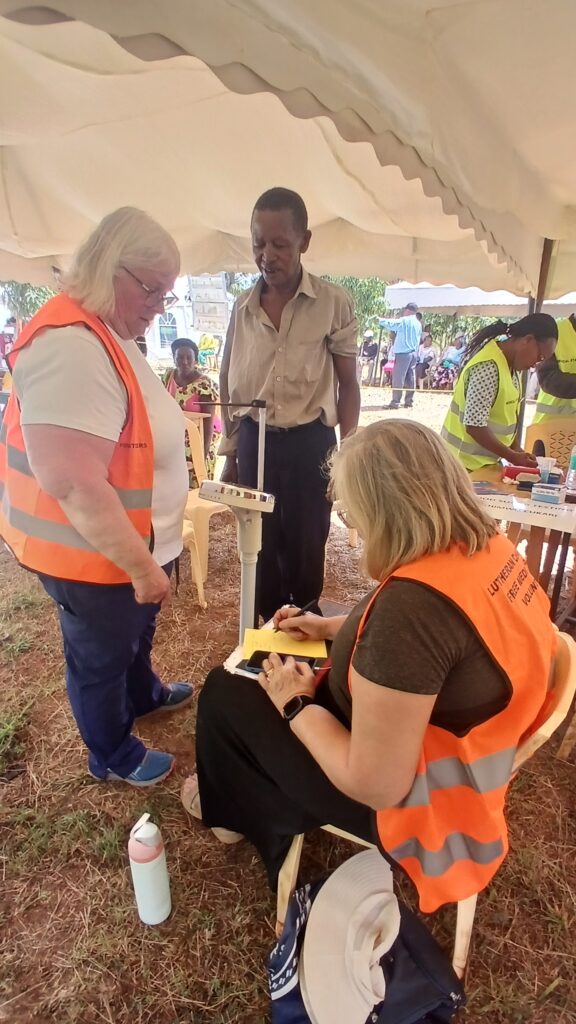
WELS Central Africa Medical Mission sponsored a rural health clinic near the town of Sagana in central Kenya. My wife’s job was to weigh patients and calculate their Body Mass Index. I sat with the local pastors who shared Jesus with visitors in both Swahili and Kikuyu, a Bantu language spoken by people in central Kenya.

tongue

I am thankful for my brothers in Christ who shared the Gospel in their native tongue. At one point I was left alone, and I struggled to communicate with our camp visitors. Local Kenyans will always be able to connect with their fellow Africans more easily than I can. I am glad that God gave them the desire to share Jesus’ love with others.

The week after the medical camp my wife and I traveled to western Kenya. We offered a preaching workshop near the town of Kisii. The participants were laymen who lead worship services and laywomen who are leaders of small group Bible studies. Few of them had received formal ministry training in an academic setting. These people serve congregations of the LCMC-Kenya. Due to a shortage of ordained pastors, the church relies on laymen to lead worship services in many of its congregations.

My class led members through the process of preparing a sermon from beginning to end. I presented my material in English, and they worked through various learning tasks in their local tongues. My prayer for these men and women is that they proclaim Christ’s love to their fellow Kenyans no matter what tongue they are speaking.

Tongue Twisters

At the end of our two weeks in Kenya, my wife flew back to Malawi. I continued to Tanzania to meet with pastors from the Africa Mission Evangelism Church (AMEC). The WELS and AMEC intend to tie themselves together in fellowship at this summer’s WELS Synod convention. Along with my fellow Missionary Ben Foxen, we presented topics of special interest to AMEC pastors. As English is not used as widely in Tanzania as it is in Kenya, Ben and I did our best to teach our lessons in Swahili.

tongue

Ben held up his end of the communication well, partially a result of the two months he spent studying Swahili in northern Tanzania. For my part, I communicated at a Kindergarten level. It wasn’t pretty, but you do whatever you can and leave the rest to God.

On Sunday morning our hosts asked both Ben and I to preach in their churches. It is an expression of the ties that bind our two church bodies together. We eagerly embraced the opportunity, even though I relied on Google to translate my sermon from English into Swahili. I know enough Swahili to recognize and change the mechanically translated parts. I twisted my tongue around familiar and unfamiliar words as I read the sermon to my listeners. An occasionally shouted “Amen!” indicated when they got my point.

tongue
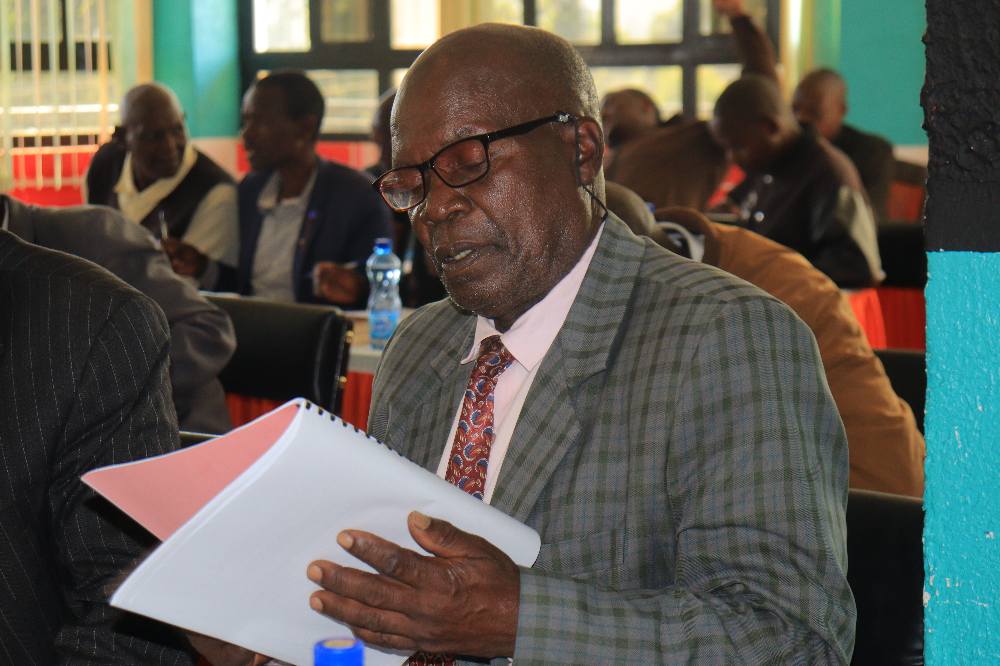
Rev. Baltazar Kaaya is the leader of AMEC

Now back in Malawi, I have a plan to meet with my Swahili teacher. I hope to visit our friends in Kenya and Tanzania in the upcoming months. I want to move from being tongue-tied to having a tongue that ties others to Christ.

Missionary John Roebke lives in Malawi.

Please pray for those working in fields that are ripe for harvest. Share their story, engage with future news, and receive updates. Learn more about our mission fields in Africa and how the Holy Spirit is working faith in people’s hearts at https://wels.net/serving-others/missions/africa