Sweeter the Second Time

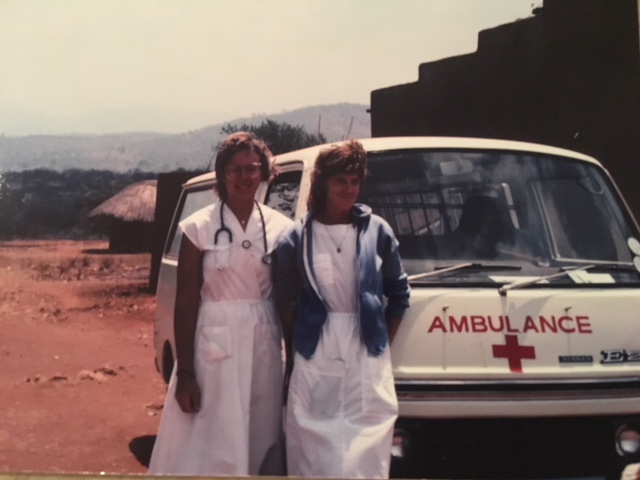
L-R: Beth Evans and Nola Christianson at the end of a day’s clinic, circa 1984

Beth and Gary Evans serve the Central Africa Medical Mission (CAMM) in Malawi in the capacity of Head Nurse and Manager of Operations. This is not the first time they have lived overseas. In fact, they first met 33 years ago in Malawi, when Beth was serving as one of CAMM’s mobile clinic nurses and Gary was working as a civil engineer building water supplies with the Voluntary Service Overseas (the UK’s version of the Peace Corps). For both of them, the second time around is sweeter.

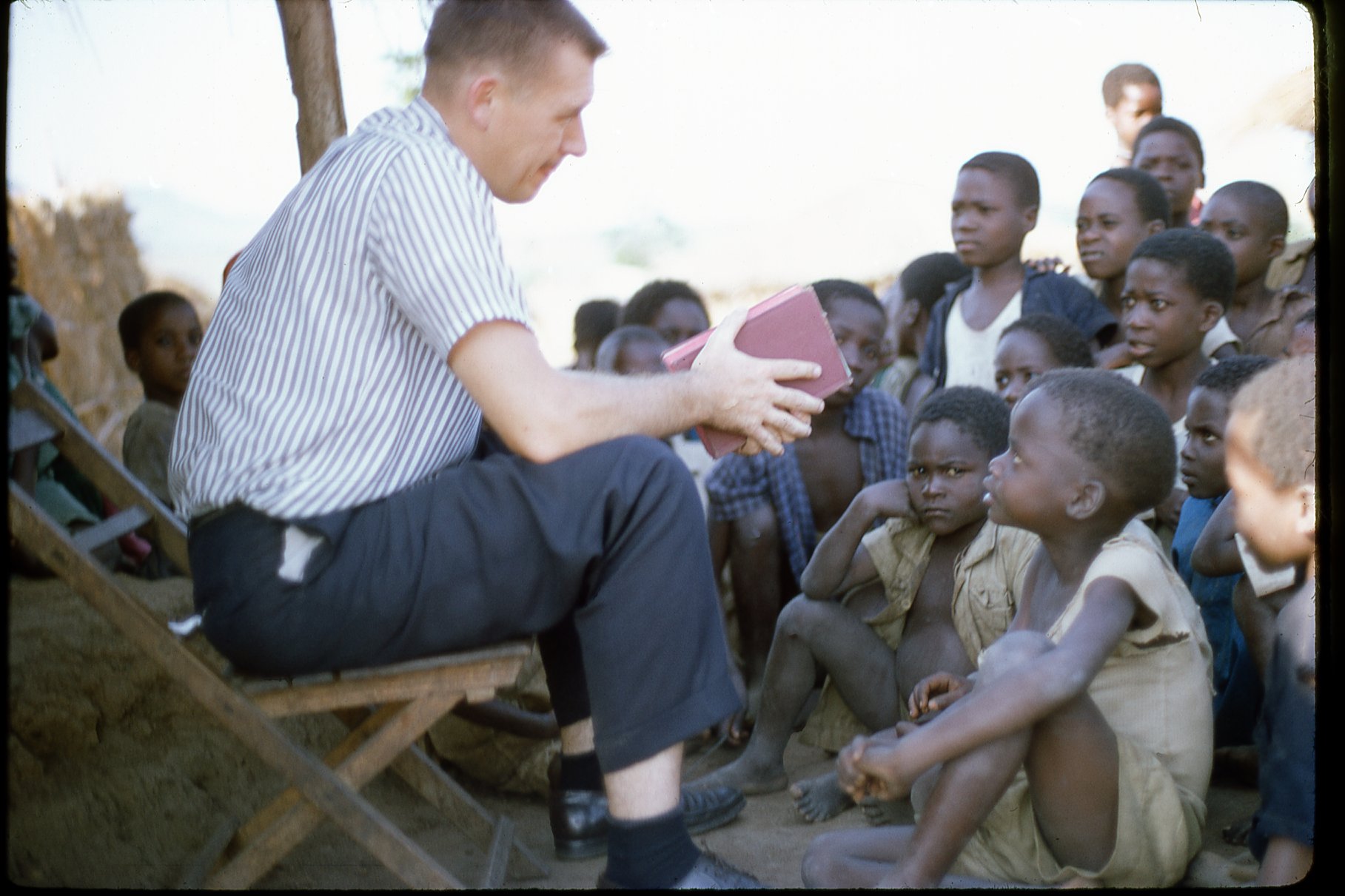
WELS missionaries first arrived in Central Africa in 1953 and began working in Zambia. In 1961, WELS became involved with humanitarian medical relief work in Zambia by opening “The Mwembezhi Lutheran Dispensary,” a stationary medical clinic that is still operating today as the Lutheran Rural Health Center.

In 1970, WELS began serving the medical needs of the people of Malawi by establishing the mobile health clinic in five different locations near the town of Salima, where the nurses lived. Every day of the week the nurses traveled to a different site to offer medical care to people in remote areas. The model is still being used in Malawi today but is based out of Lilongwe, the capital city.

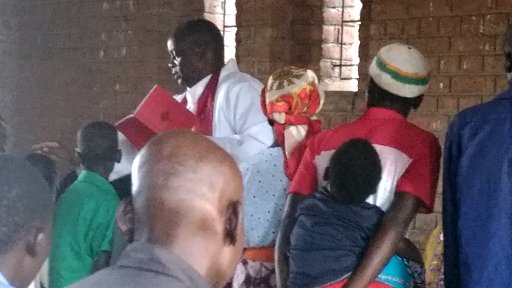
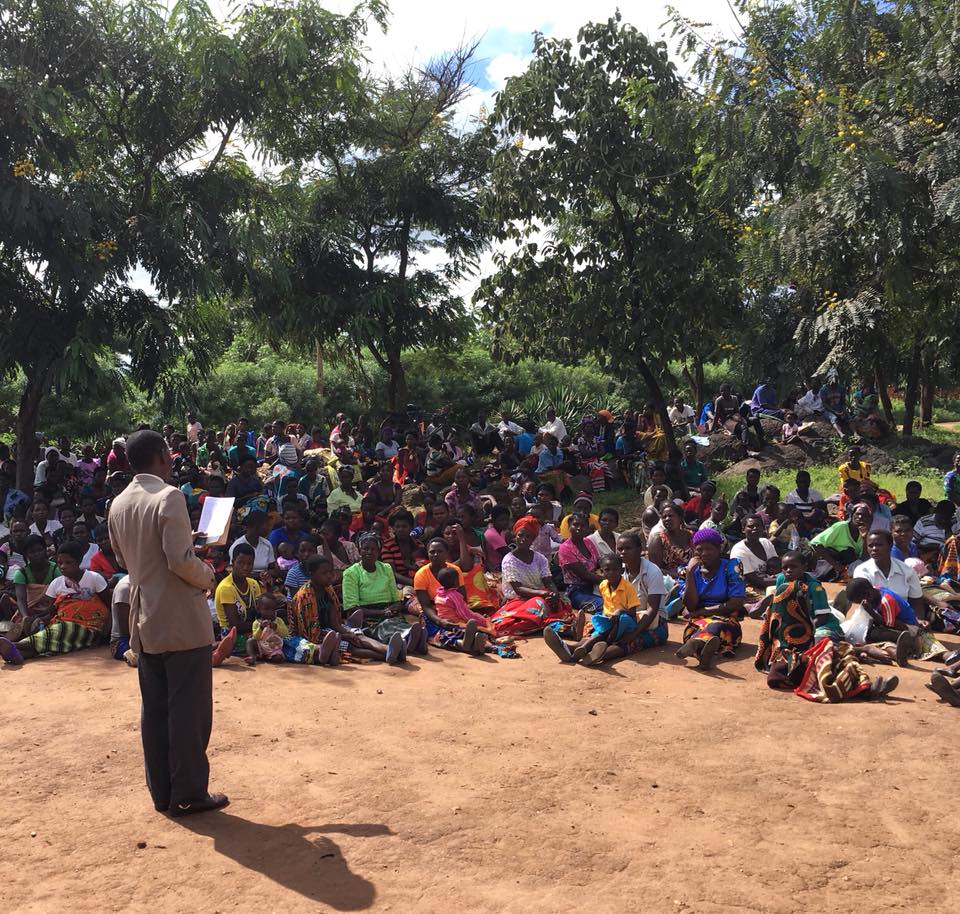
Pastor Fidel Beza giving a devotion before the clinic opens at Mwalaulomwe

Nurse Beth Evans (nee Ebert) served CAMM in Malawi from 1983-1985 along with fellow nurse Corrine Sievers, soon after the nurses were moved to Lilongwe. Each week the two nurses and their Malawian staff members traveled on a one lane paved road to Salima, which is about 60 miles from the capital of Lilongwe. One to two nights every week the nurses lodged at a small house that had been previously used by a Lutheran evangelist, in order to conduct clinics in the Salima area on two to three different days. One of these clinics, in the village of Katumba, continued once a month even after new clinics were established in the Lilongwe area.

By 1984 CAMM received the government’s permission to open clinic sites closer to Lilongwe in the villages of Suzi and Msambo. Initially, the nurses worked out of little storefronts and a grass-thatched shelter. Nola Christianson and Beth were the diagnosticians and would see each sick patient. In addition, there were 3-4 Malawian nurse-midwives, a nutrition worker and a driver who also registered patients. The nurses frequently saw diseases like measles because most children hadn’t been immunized. Malaria was common and many children were undernourished. Then as now, the goal of the mobile clinic was primarily preventative healthcare, including checkups of children under the age of five, immunizations, health teaching and prenatal care for pregnant women, but anyone who was sick received care. The clinic staff encourage all women to deliver in a local health center or hospital, but Beth remembers that a baby was born at a clinic site once. Eventually CAMM turned over all of the Salima area clinic sites to other missions or government clinics. Permanent buildings were constructed at Suzi and Msambo which are used for church services on Sundays. Years of reaching out to Malawians not only with medicine but also with the Word of God in clinic devotions and pastoral outreach resulted in LCCA congregations being established at these villages. 

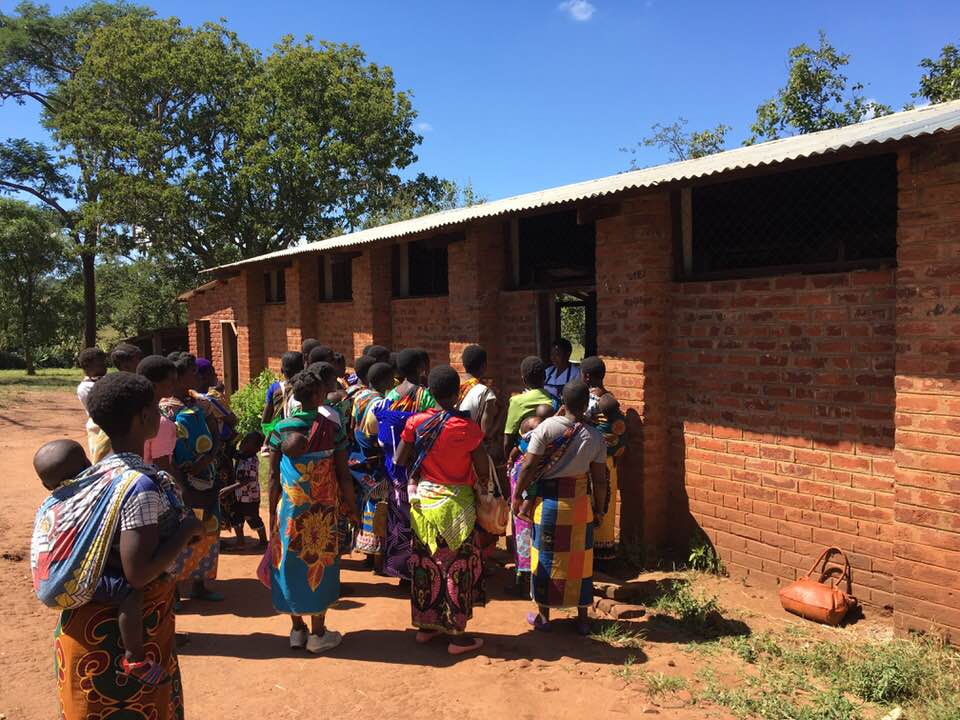
Mothers and children line up early outside the Suzi clinic

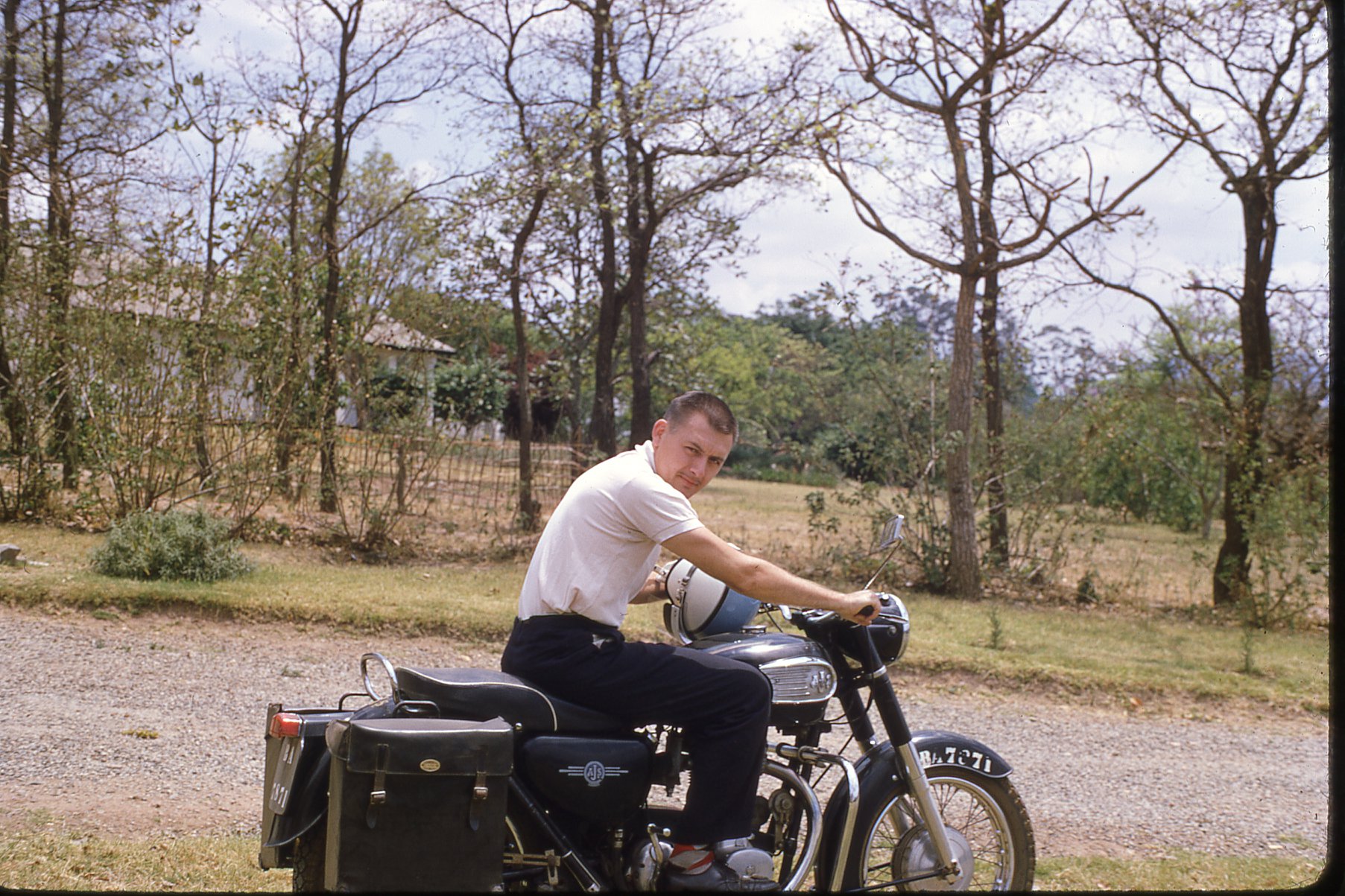
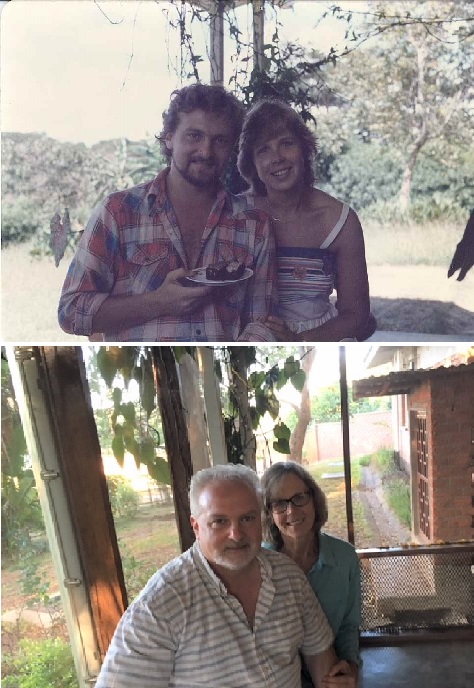
Beth and Gary met through mutual friends, when “social networking” was carried out face to face. It seemed more than a coincidence that they kept running into each other at various events around Lilongwe, like music concerts and farewell parties. Their first official date was a dance held at the “swanky” Capital hotel. Gary used to take Beth to the local tennis club on his motorcycle. Wild dogs used to chase them but no problem, they took turns swinging their tennis rackets at them to scare them off. Gary used to serenade Beth with a song from his parents’ era, “If you were the only girl in the world.” It must have seemed like they were the only two people in the world when they climbed Malawi’s remote Mount Mulanje, the highest peak in Central Africa. In fact, they were so alone (and so hot) that they free to jump into one of the mountain’s ice-cold streams with their clothes on. It was a match made in heaven.

Gary and Beth in 1985 and in 2018

By February 1986, Gary and Beth were married and living in Milwaukee, Wisconsin. After that, their life in America moved on at a pretty rapid pace. Gary worked for a Civil Engineering company, and Beth started out in hospital nursing. They lived downtown near the campus of UWM and later bought a house in Whitefish Bay. They their first child, James, in 1989. Gary took a job for Waukesha County, where he stayed for 28 years and eventually became the County Engineer. Their daughter Abby arrived in 1992, and their twins, Liam and Olivia, were born in 1996. Beth mainly worked in pediatrics and worked for Children’s Hospital. Eventually the family moved to Mequon, Wisconsin.

Beth and Gary are members of St. Marcus Lutheran Church, where they have both used their unique gifts to serve the Lord. Gary was confirmed in May 1986 and by December was elected to the Church Council. He served in various posts including School Board, Treasurer, and President, but spent the majority of his time as Facilities Chairman, mostly as Project Director on various school expansion projects.   Beth sang in the St. Marcus Gospel Choir, was a Parish Nurse and eventually became St. Marcus school’s first School Nurse.

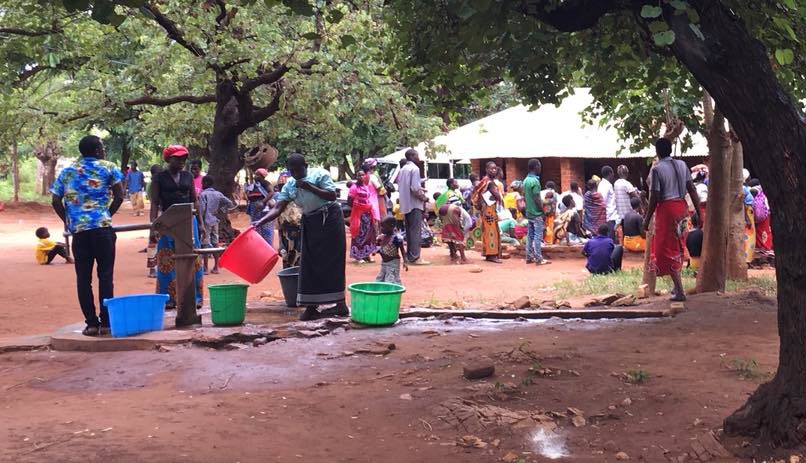
Msambo clinic

But Beth and Gary never forgot about Malawi or medical mission. Beth served as the nurse coordinator on the CAMM committee for five years. In 1996 Gary and Beth traveled back to Malawi for a vacation, visiting the CAMM expat staff at that time. Gary and Beth had talked about working again somewhere in Africa after they retired, but in the process of recruiting a nurse for CAMM in Malawi it was difficult to find someone willing to commit for three years. When they learned that a married couple could apply to serve the two positions of nurse and administrator, Gary was eager to go. Beth on the other hand had reservations about leaving her two jobs and her two college-age and young adult kids behind. But after much prayer, things fell into place. Beth found a friend who was willing to serve St. Marcus as the school nurse, and Gary was able to take an early retirement. With their children’s support they decided that the time was right to return to Malawi.

As you can imagine, there’s a lot involved with uprooting yourself and moving to a foreign country. Beth and Gary put their house up for rent and arranged for Beth’s brother to have power of attorney over their finances. Like others working in third world countries, Beth and Gary got a thorough medical checkup, had immunizations and were tested for HIV because they are working with patients in a place that has one of the world’s highest incidence rates of AIDS.

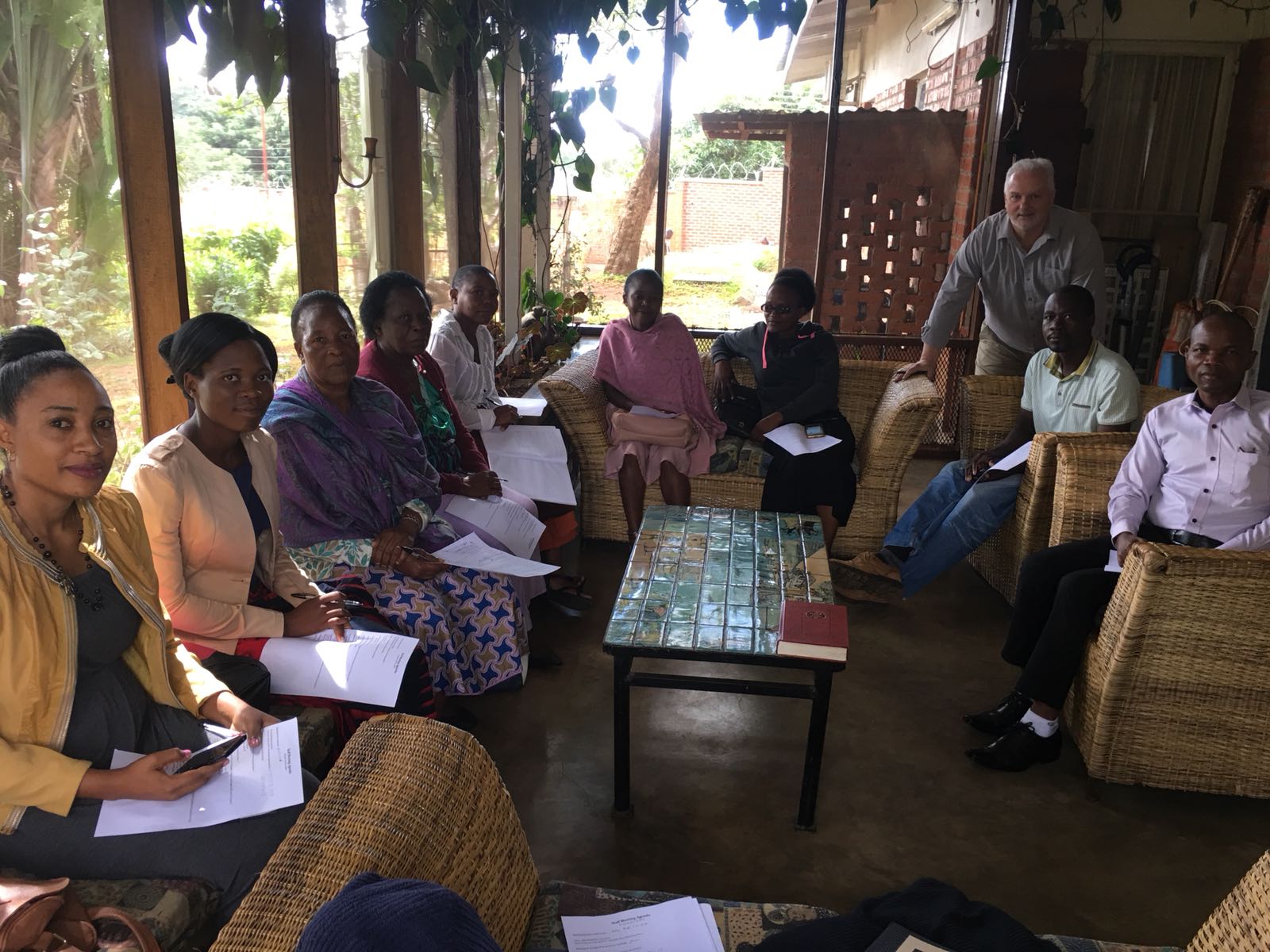
Weekly staff meetings are held at the CAMM house

The work of CAMM has changed somewhat since Beth’s first tour of duty in the mid-1980’s. CAMM now hold clinics at four locations, all in the Lilongwe area: Msambo, Suzi, Thunga and Mwalaulomwe. Local church leaders still offer devotions for the patients before the start of each clinic. The clinic staff is much larger and there are now 21 people on the payroll. The clinic still focuses on prenatal mothers, children under the age of five and nutrition education. There is more HIV testing and counselling at the clinic sites. There is less severe malnutrition today than 30 years ago, but there is more hypertension and diabetes – perhaps the result of a more western (junk food) diet. Increased government requirements and the complexity of running the clinics has meant a change in the American staffing of the mission. Instead of two nursers, there is now one nurse in charge who oversees the medical work, and a clinic administrator to handle the business needs of the clinic.

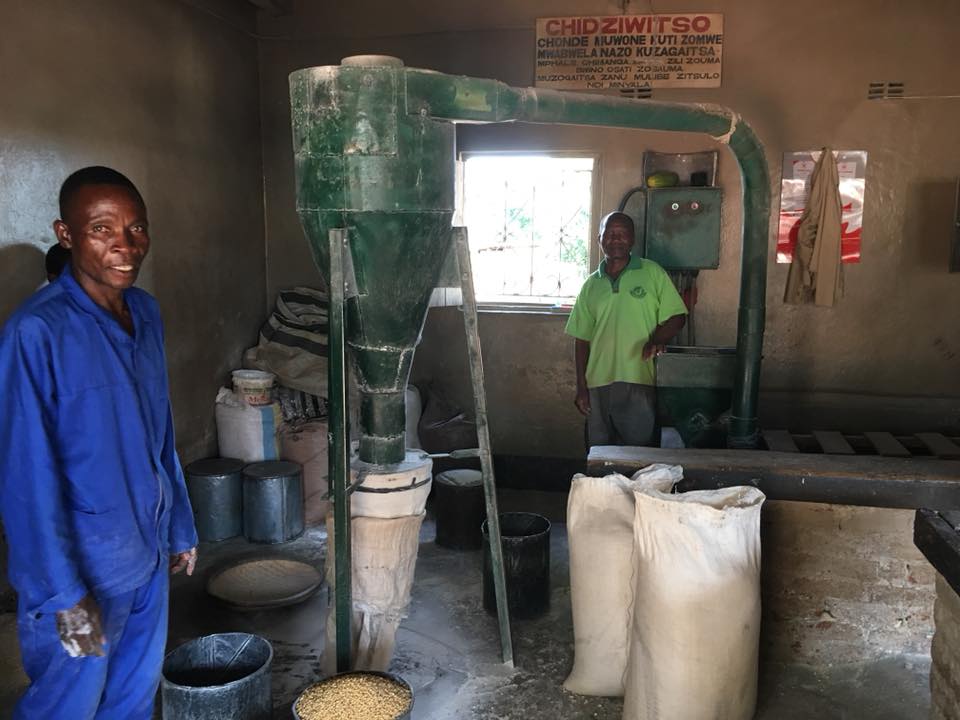
At the maize mill with gardener Brighton, grinding maize and soy to be given out at a nutrition clinic

Gary and Beth have agreed to serve in Malawi for three years, although they will head to the US in June for a quick visit to attend their son’s college graduation. They would like build on the past efforts of many who have continually improved the clinic work , and also to keep the medical mission as a sustainable operation into the future.  Gary’s experience in civil engineering will come in handy, as some of the clinic buildings are over 30 years old and are in need of some TLC. Funds have been raised to complete renovations.

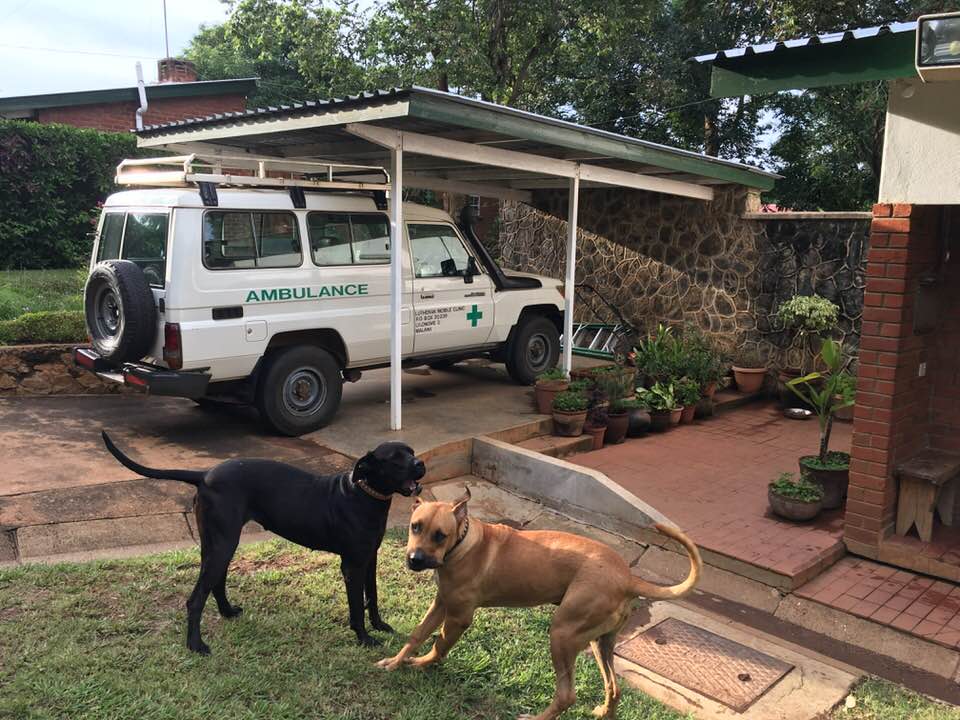
The CAMM house in Lilongwe is comfortable and secure

The Lutheran Mobile Clinic staff in Malawi and the Zambian team at the Lutheran Rural Health Center would not be able to do their work effectively without much help and support from their Christian brothers and sisters in the United States. The Central Africa Medical Mission is a non-budgeted mission of the WELS; no money is received from the regular synodical budget. The responsibility and support of the Central Africa Medical Mission has been given to the women’s groups of the WELS. Contributions are also received from Christian day schools and high schools, Sunday schools, some circuits of the LWMS and other friends of the medical mission. The Central Africa Medical Mission reaches the hearts of many WELS members and beyond.

CAMM supplies and supports the American personnel as supervisory staff, erects and maintains clinic buildings, and purchases necessary medical supplies. The clinic work is aligned with other private and government run clinics in its approach to healthcare, and CAMM’s clinics are required to meet the regulations of the Ministry of Health in Malawi.  Both the Malawian and United States governments provide some support in the form of certain medicines and test kits, but detailed statistical reports must be completed each month to show how these are used.

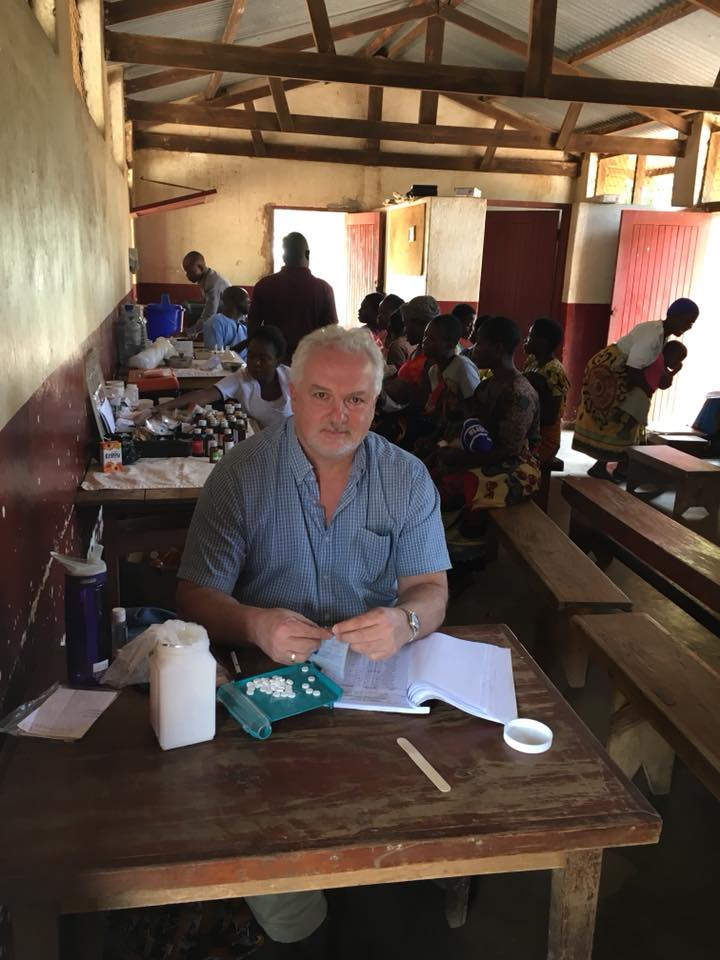
Gary is not only good at counting beans, he also counts pills

The Central Africa Medical Mission is administered stateside by the Central Africa Medical Mission Committee (CAMMC), with input from Medical Mission Councils in Malawi and Zambia. The CAMM Committee is an all-volunteer group, they provide the guidance, oversight and financial resources for the clinic to continue. The current Committee consists of a Chairman – Shelly Sievert; Contact Woman Coordinator – Cheryl Valus; Website controller – Mike Valus; Treasurer – Bea Punke; Outreach – Linda Liesener;  Public Relations – Angela Sievert; Secretary –  Kris Olson; Nurse Coordinator – Cindy Fietzer; Nurse Advisor – Kari Belter; Medical Advisor – Michael Brooks; and Pastoral Advisor – Kevin Schultz.

In the past, contact with CAMM was by mail so it could often take at least two weeks to get a response. These days the Evans remain in contact by cell phone and typically check in with Chairman Shelly Sievert every two weeks or so. More urgent issues can be handled by text messages, email or What’sApp.

You can find more information CAMM and its clinics in Central Africa at www.camm.us You can also find their Facebook page at “WELS Central Africa Medical Mission.” Checks can be sent to WELS/CAMM, P.O. Box 64064, St Paul, MN 55164-0064. You can also donate online at http://www.camm.us/donate-to-camm

Former nurses and administrators and current CAMM committee members give presentations to schools and church groups around the country about the medical mission. There is also a network of contact women to pass on information to congregations. If you are interested in serving CAMM in Malawi or Zambia, you can contact Chairman Shelly Sievert at chairman.camm@gmail.com  Applicants must be in good health and able to do physical work, be comfortable with other cultures and able to adapt to a warm climate. It is important for anyone considering this kind of position to pray, to consult with family and church friends, and to talk to those people who have done mission work in the developing world. Beth Evans writes: “This experience has caused me to learn and grow in my faith, and trust God more than I ever imagined.”

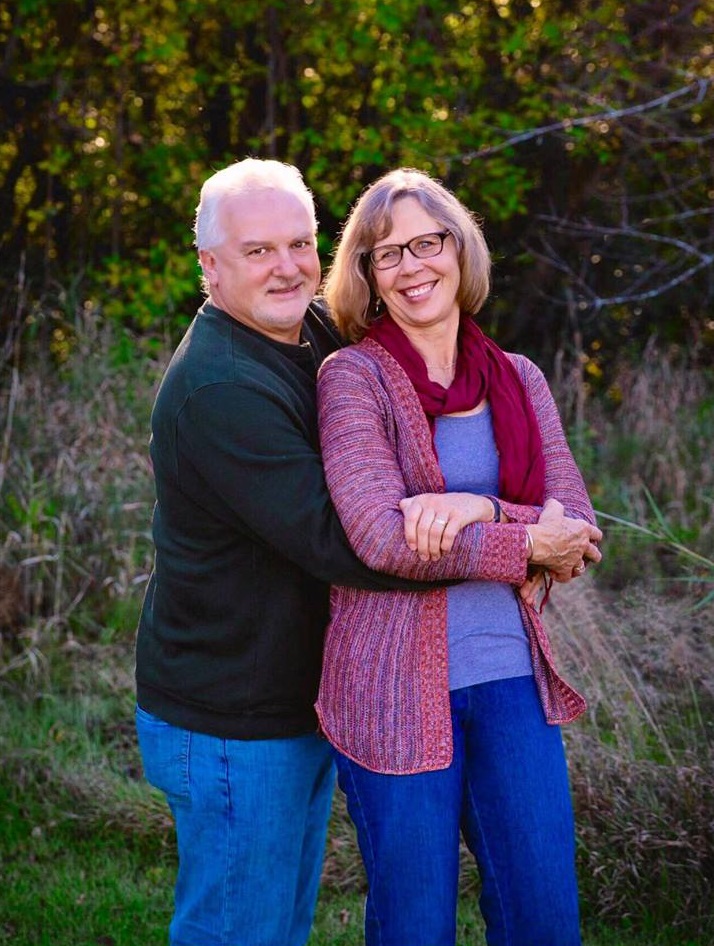
Beth and Gary Evans serve the Central Africa Medical Mission in Lilongwe, Malawi

Please pray for those working in fields that are ripe for harvest. Share their story, engage with future news and receive updates. Go to this link to learn more about our mission fields in Africa and how the Holy Spirit is working faith in people’s hearts  https://wels.net/serving-others/missions/africa


What am I seeing?

When I arrived in Malawi ten months ago, I didn’t know what I was looking at.

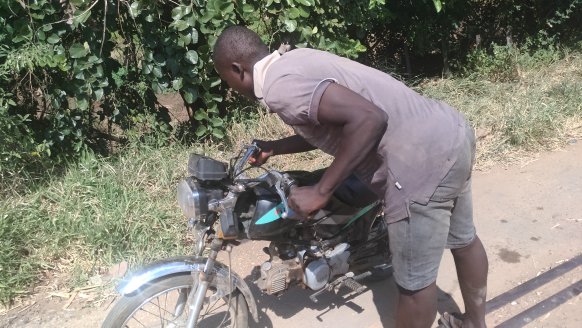
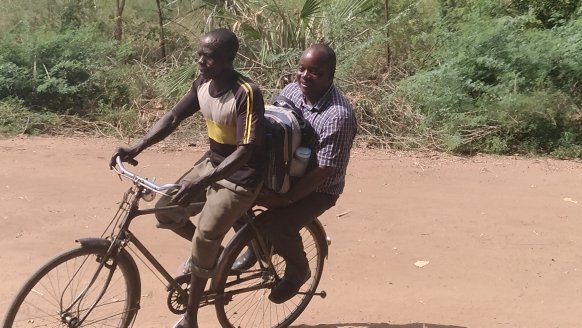
I saw men riding bicycles with short sticks of wood piled up on the back bumper. How did they stack them that high, and what was keeping the load from crashing down on their heads? How did they keep their balance, and what can you build with sticks? But these guys weren’t trying out for the circus – this is a matter of daily survival. These guys sell firewood for cooking in order to feed their families.

I saw a toilet that resembled a medieval instrument of torture. Why would anyone imprison a toilet with bands of iron and a padlock? What did the toilet do to deserve such a punishment? And why was a cup perched on top of the tank? I know water is a scarce commodity in Africa, but stealing water from a toilet? Malawi isn’t the Sahara. My mind could not process what my eyes were seeing.

Malawi is a lushly vegetated country, with flowers, fruits and trees that I cannot identify by name. I’m partial to palm trees, of which there are many different varieties, including man-made. But seriously, artificial palm trees in the tropics? I must say however that they do make stylish cell phone towers.

Driving on the left side of the road and using the turn signal on the right side of the steering column required rewiring my brain. I didn’t study for my Malawian driver’s license exam…and I failed it. What does a red triangle with a scorpion in the middle of it signify? Does a red line drawn through the letter “S” indicate that you are in a snake-free zone? And when both the red and the green lights are lit at the same time do you stop or go, or do both?

When you move to another country, one of the biggest challenges you face is decoding the foreign writing on the signs. But even when the signs are in English, you can’t believe what your eyes are seeing. Why is there a street named “Lutherane”? Why is there a church named “Wisconsin”? It makes me realize that I’m not the first WELS missionary to set foot in this land.

And that’s a very good thing, because there are so many things here that need explaining. I see suffering. I see poverty. I see barefoot children dressed in rags. I see the blind and the lame begging. I saw the casket of a 19-year-old girl. These things will never make sense to me or to anyone else. How can a good God allow such evil to exist?

That is the mystery of the cross, the beautiful ugliness of Christ’s death. It is evidence of God’s unexplainable love for unlovable wretches. God’s goodness is right there for the viewing in Scripture, but how can people understand what they are seeing unless they hear what it means? How can they hear what it means unless someone preaches to them? How can anyone preach unless they are sent? WELS sent its first missionaries to Central Africa six decades ago, and by God’s grace the Lutheran Church of Central Africa is still opening the minds of people to understand what God has shown the world in his Word.

When they see water splashed on their child’s head, or the head of an adult, they understand that Baptism saves souls by washing away sin’s stain and covering them with the pureness of Christ. When they see people swallowing wheat wafers and sips of wine, they understand that Communion is uniting them with the body and blood Christ used to pay for their freedom. When they see the pastor standing in front and hear him say, “I forgive you all your sins in name of the Father, and of the Son and of the Holy Spirit” they understand that it is Christ who is speaking to them, the same Christ whose words give eternal life.

I have begun to understand a little better what my eyes are showing me in Malawi. I have also begun to have a greater appreciation for what God has been doing through his faithful servants here in Central Africa. I hope that through this blog, you also have begun to understand that God’s design is much bigger than what we can see. “‘What no eye has seen, what no ear has heard, and what no human mind has conceived’—the things God has prepared for those who love him—these are the things God has revealed to us by his Spirit.” (1 Cor. 2:9-10)

Missionary John Roebke serves as the Missionary of Publications in Malawi and as the Communications Manager for One Africa Team. In the Fall of 2018 he will be on a speaking tour in the United States. Sign up for a mission festival at your church or school at wels.net/speaker-request     


African Homecoming

The Thompson family in Zambia shortly before their departure 35 years ago

On September 24, 1977, my wife Beth and I, married only two months, stepped off a plane in Lusaka, Zambia for the first time. I was four months out of the seminary and was about to begin my ministry by serving as a missionary with the Lutheran Church of Central Africa (LCCA). It was a difficult time for the 13-year-old country. Store shelves were all but empty as the import routes were cut off by the violent war of independence taking place on our south in Rhodesia (now Zimbabwe). But the welcome of the mission staff and especially the warm and cheerful Christians of Zambia helped us quickly make Zambia our first home.

In the six years that followed we were blessed with two healthy children, and we became absorbed in helping the Lutheran Church of Central Africa grow in numbers and spiritual maturity. I oversaw congregations in urban Lusaka and in the rural Eastern Province (a 3-4 day, 1,000-mile round-trip visit each month). I also ran the Lutheran Press and taught at the Bible Institute and Seminary in Lusaka. Our ministry lasted until 1983, and those six years were formative to our lives and ministries ever since.

Luke Thompson’s baptism at St. Matthew’s Burma Road 37 years ago

This month, we stepped off the plane in Lusaka again for the first time in 35 years. We knew things would be different, but our 17-day visit truly amazed us. While the country has slowly modernized and improved its economic and educational levels, the changes in the LCCA were even more clearly visible. The three preaching stations I used to visit in the Eastern Province had now multiplied into 35 congregations. The over 50 years of faithful worker training at the Lutheran Bible Institute and the Seminary has resulted in over 50 well-trained African pastors who faithfully preach the Gospel and minister to over 50,000 souls.

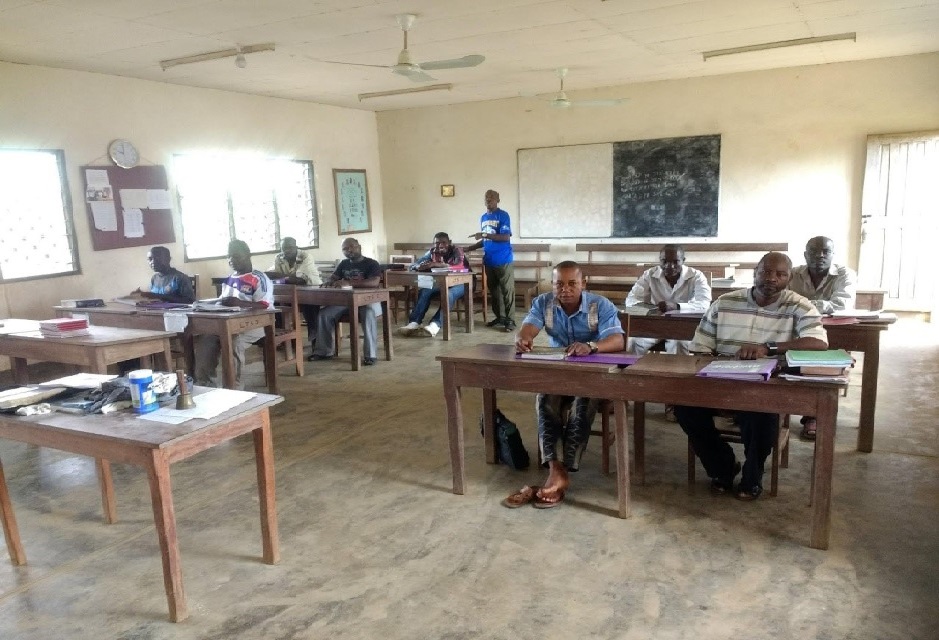
Pastors from Cameroon, Kenya, Malawi and Zambia attended continuing education classes at the Lusaka Seminary

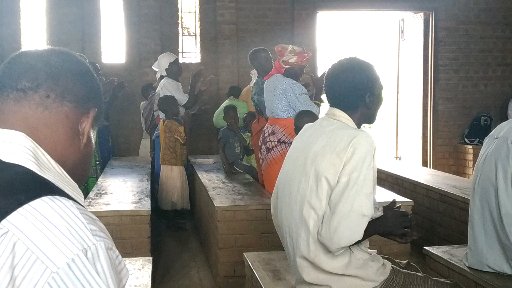
On Easter we worshiped at St. Matthew’s Church on Burma Rd. in the Kabwata section of Lusaka. I had served as the pastor there for almost my entire 6 years. We received a joyous reception, with numerous choir songs, and a special luncheon. Especially wonderful was reconnecting with one of the remaining members from those early days. The church we had worshiped in is now a parish hall, and the current worship structure is much larger. Everything indicates God’s blessings during the past years when they benefited from having a Zambian as their pastor.

A reunion with 2 of Dr. Thompson’s former members at Kaunda Square church in suburban Lusaka. The current pastor, Jonathan Kangongo is on the left.

We had similar Sundays in 2 other churches, and reconnected with other old friends. The greatest joy, however, took place in our classrooms. Beth ran a workshop for the wives of seven pastors, exploring ways to increase literacy in their churches and to use language teaching in congregational outreach. The Christian maturity and zeal for ministry of these women was inspiring. I taught an advanced church history course to 21 pastors from Zambia, Malawi, Kenya, and Cameroon as a part of the Greater Africa Theological Seminary Institute (GRATSI) program. Some were finishing a Bachelors program; others were in a Masters program; the rest came solely to improve their biblical and historical knowledge and to further their knowledge of confessional Lutheran teaching with other African brothers.

Dr. Thompson of Asia Lutheran Seminary recently taught in the Greater Africa Theological Seminary Institute (GRATSI)

Beth Thompson shared her experience as an ESL instructor with the GRATSI pastors’ wives

One of my students was the grandson of a pastor I had worked with years ago. Several others were already serving as instructors at the Bible Institute (now located in Malawi) and the Seminary. The educational level had increased substantially in 35 years; and the Christian maturity of these men made it a joy to teach them. Tough times still lay ahead for any church in Africa, but I left knowing that these men will be a strong bulwark for the Lutheran church there. Please keep them and our hard-working missionaries there in your prayers always!

Representatives from the LCMC in Kenya audited the GRATSI classes in Lusaka. The LCMC is in the process of applying for fellowship with the LCCA Zambia

It was good to return “home” to Hong Kong spiritually refreshed. No more quiet starlit nights here, but also no electricity or water outages!  Back to finishing out the courses for this semester, and making preparations for the next year. Back to the eager faces of my Chinese students rather than the cheerful faces of Africans. But back to the same work—training pastors who will faithfully preach Law and Gospel to their people, who will always keep Christ at the center of their message, and who will be ready to pass that message to the next generation.

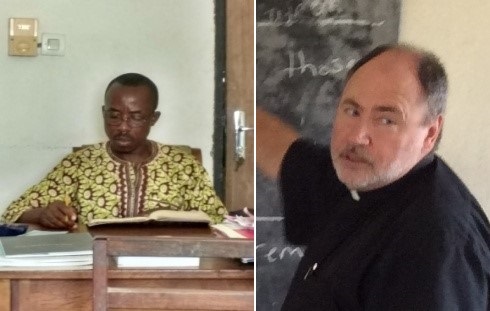
Dr. Ernst Wendland and Dr. Glen Thompson served together as missionaries in Africa 35 years ago. Currently they are preparing future pastors in Lusaka and Hong Kong, respectively

One final highlight. We paused during class one day to allow my African students to meet and talk with our Chinese students via Skype.  The African pastors asked about the challenges of outreach in East Asia. The Chinese students asked about ministry in a culture and environment so different from theirs.  The few minutes we spent together showed clearly how their Christian faith could create instant bonds across continents and cultures.  May God continue to bless our mission seminaries and allow them to continue to be an important tool in expanding His kingdom.

Dr. Glen Thompson, Academic Dean of Asia Lutheran Seminary in Hong Kong

Please pray for those working in fields that are ripe for harvest. Share their story, engage with future news and receive updates. Go to this link to learn more about our mission fields in Africa and how the Holy Spirit is working faith in people’s hearts  https://wels.net/serving-others/missions/africa