You Can’t Quit
She is hurrying. Who wouldn’t? Her daughter’s struggle is awful.
Her daughter’s struggle with what? School? Medical issues?
Demonic torment.
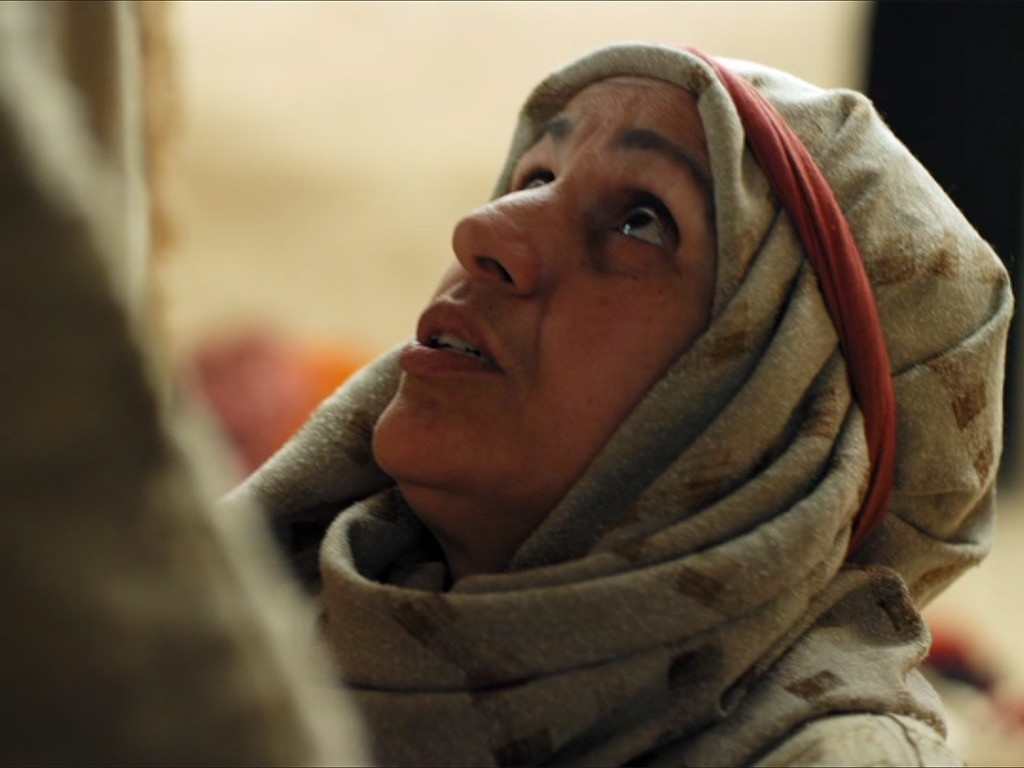
“Have mercy on me, Lord,” the mother cries. “Oh, Son of David!” (What a name for a Canaanite woman to give a Jewish man.)
“My daughter … the demon is hurting her so badly.”
Jesus does not answer her.
That story is for us, dear reader. In it Jesus and his disciples are far from home. They are abroad, up north by Tyre and Sidon—modern Syria.
In February Pastor Howie Mohlke and I left our Zambian homes. We too went to a country north of us.
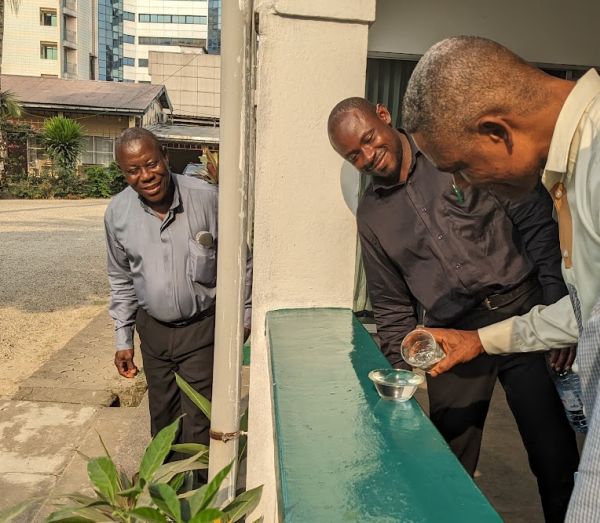
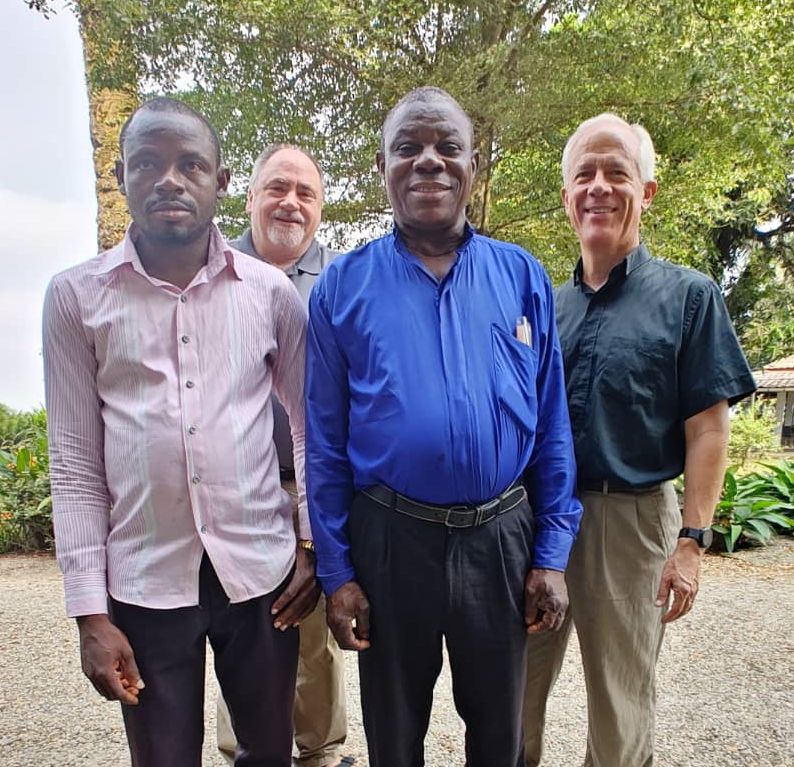
I was in Sondu, Kenya for two weeks. Three pastors in the Lutheran Churches in Mission for Christ (LCMC) and I learned and practiced adult education.

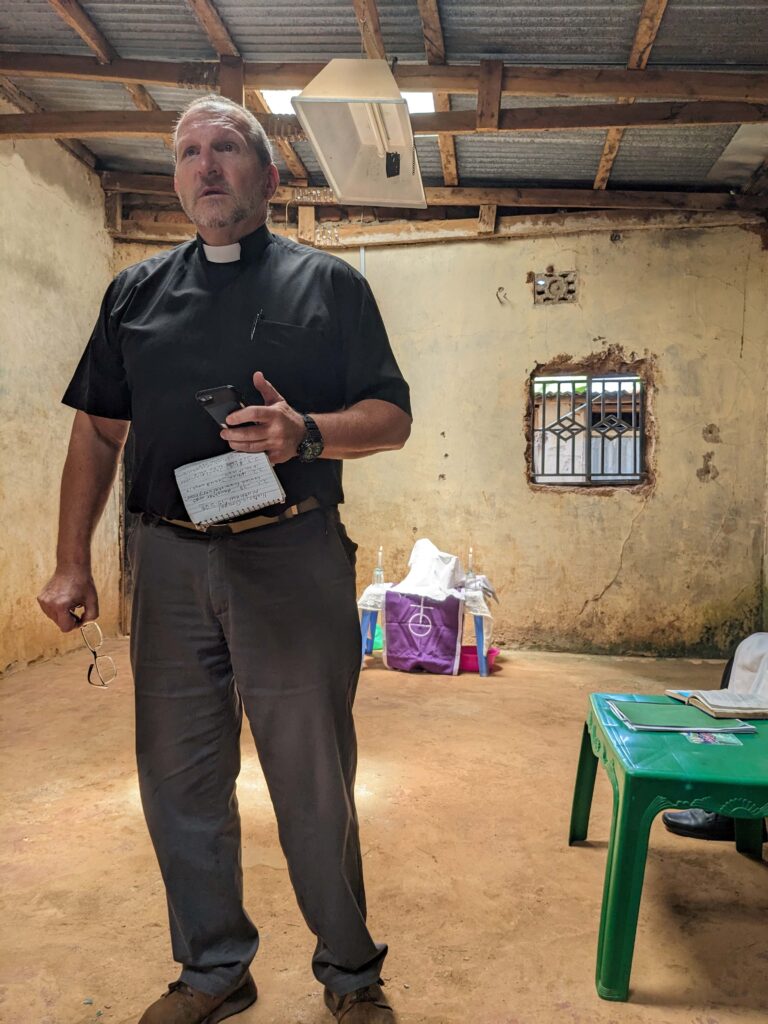
Pastor Mohlke flew up for the second week. Near Sondu in Chabera he led a workshop for LCMC lay preachers—over 50 of them.
At the end of our time with our brothers, one of them, LCMC Bishop Richard Ogosi Amayo, led us all in a service of holy communion.
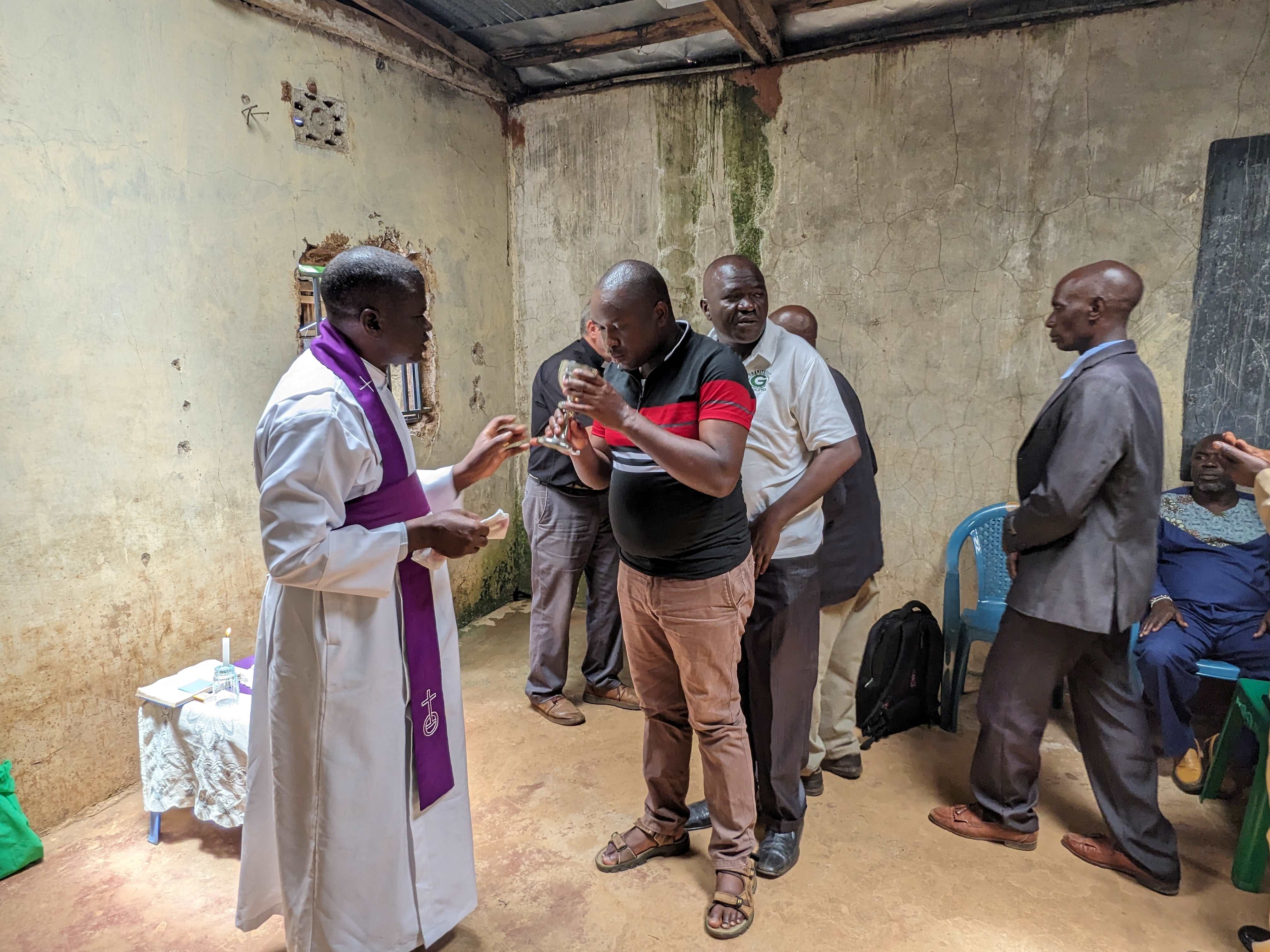
In that closing service Howie preached from Matthew 15:21–28, the story of Jesus and the Canaanite woman with the demonized daughter.
Does demonic torment seem as distant to you as East Africa? Something far away, something mostly just in Jesus’ day?
Millions of Americans figure that Satan is not just far away, he is fake. Your African brothers and sisters in Christ know better. Many have fears you may not.
Demonic Pentecostal preaching is spreading in Sub-Saharan Africa. Witch doctors advertise even in upscale urban neighborhoods.

Why would Christians be tempted to run, not to Jesus, like the Canaanite woman? Why try charms or traditional healers?
What a liar, our old evil foe. He means deadly woe. God seems distant. Other help seems closer.
God seems slow. Other options seem faster.
The Swahili proverb I learned from my Kenyan brothers in our course on dialogue education was Haraka, haraka, haina baraka. (“Ha-RA-ka, ha-RA-ka, high-EE-na ba-RA-ka.”)
That is, “haste, haste, there is no blessing.”

The Bible says similarly: “Enthusiasm without knowledge is no good; haste makes mistakes” (Proverbs 19:2 NLT).
It’s not just true in education. All those sayings remind me of another African proverb: “If you want to go fast, go alone. If you want to go far, go together.”
That sums up a key aspect of what Howie Mohlke and I were doing in Sondu and Chabera, Kenya. Our LCMC partners asked your One Africa Team for help. “Let’s work together,” they said, “in training for practical action in Christ.”
The result may mean this time, classes for veteran pastors on a master’s degree level. Those brothers teach future pastors in online evening classes.
Or the request may lead to a workshop for men learning for the first time how to study a short section of the Bible and preach specific good news about Jesus from it.
No matter what, we go together.
Jesus’ disciples didn’t want to go together with the Canaanite woman, did they? “Send her away,” they tell Jesus. “She keeps bothering us.”
How that must sting. Can you imagine how afraid and ashamed she must already feel, with all the battering her daughter is getting from the demon?
(Did the mother feel responsible somehow? And where is the father? What about any other relative or friend? Why does she come to Jesus all alone?)
You can’t know fully the demon’s agenda in abusing her daughter.
Nor can you know the depth of why Jesus at first answers her pleas with nothing. He tells her he is only sent to the lost sheep of Israel.
But that’s not the whole story. Jesus wants so much to help her and her daughter.

Today too prayers for help to Jesus can seem so futile. Nothing is happening, we conclude. After we pray, all we hear is heaven’s door being slammed. Bolts click. Lock after lock closes, almost audibly.
But do you know how it went with the Canaanite woman? A door opens.
How? The woman doesn’t quit. She kneels before Jesus.
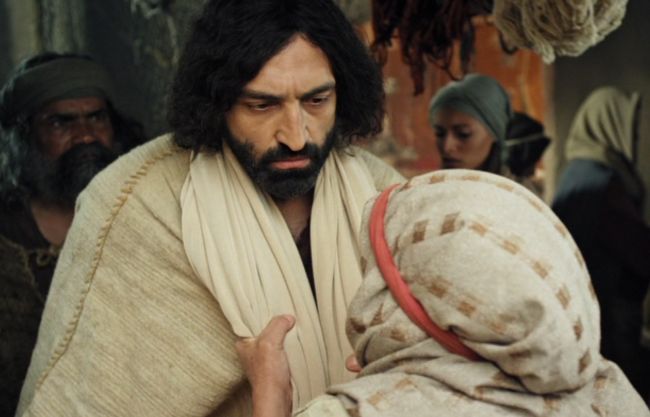
Jesus tells her, “It isn’t right. You don’t take the children’s bread and throw it to dogs.”
Nevertheless, she doesn’t quit.
“Yes, Lord,” she admits. “Yet even the dogs eat the crumbs that fall from the master’s table.”
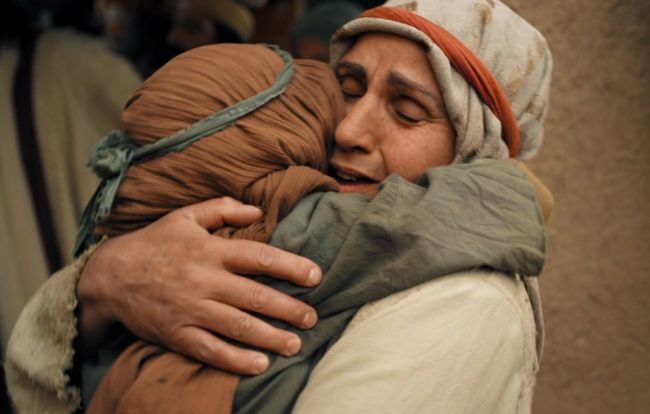
“Woman,” Jesus beams, “your faith is great. Let it be done for you as you want.”
Just as when God said, “Let there be light,” as soon as he says it … You can’t imagine her joy. Her daughter is whole again.
Ever notice that the only times Jesus in the Gospels heals someone from a distance—the centurion’s servant in Matthew 8, the Canaanite woman’s daughter here, and possibly the royal official’s son in John 4—it involves a foreigner?
So two biggies, friend. I’m on my knees before you, almost like the Canaanite woman before Jesus. Please.
1. The man who writes down the story that Howie Mohlke was preaching in Kenya—Matthew? He is Jewish, right? So are all the apostles.
But Jesus keeps hinting to his fellow Jews that his church will be multinational. Worldwide. Gentiles will fill it.
Matthew, we think, writes mainly to Jewish believers. They struggle so with God’s paradigm shift.
Demonic terrors, crazy situations, cross-cultural barriers. Such will not be the exception. They are all part of God’s plan.
2. Delays too. I mean, Jesus prayed the most desperate prayer, didn’t he? And it didn’t look like God was answering at all, did it?
Jesus died all alone in place of us all. Jews. Gentiles. Kenyans. Americans. Everybody.
So don’t quit praying. For Everybody.
Pray for missionaries far away. Pray for gospel victories close to home.
Whatever Jesus says happens. What does he tell the desperate woman? “Let it be done for you as you want.” Boom. Whatever Jesus says happens.
Then why pray for others? Why pray much for others? Maybe with people who look different from us, people with lives that seem in shambles, it feels easiest to shoo them away. We are like the Twelve.
We are like the woman too. God may seem slow. Prayer to God seems slow. Other options seem faster.
What if in Christ you don’t quit? What if right now you pray for someone who is lost? (Your daughter? A friend’s child?)
You can’t quit! What if you keep praying for the Spirit of God to lead many more people to trust in the Son of God for the glory of God?
You can’t quit! What if you pray every day, even when so much bad stuff doesn’t go away, or God seems to impose yet another delay? “Have mercy, Lord.”
What if Jesus really is David’s direct descendant, a man just like us, and King over everything? “Oh, Son of David.”
Darkest powers, you can’t be too close to their web. Jesus is stronger.
You can’t have done anything too bad. It’s already paid for.
You can’t have failed to do enough good. He was perfect in your place.
You can’t be too distant. The Canaanite woman’s daughter proves it.
You. Can’t. Quit. Keep praying. Pray to Jesus for that other person. Today.
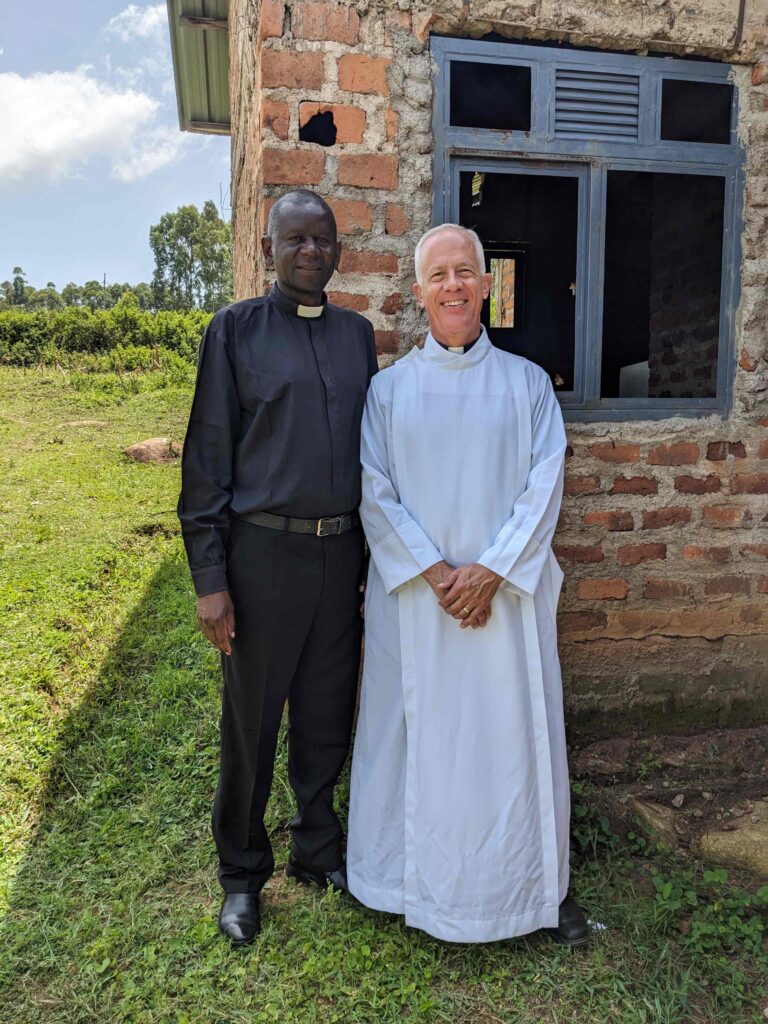
Missionary Dan Witte and his wife Debbie live in Lusaka, Zambia.
Please pray for those working in fields that are ripe for harvest. Share their story, engage with future news, and receive updates. Learn more about our mission fields in Africa and how the Holy Spirit is working faith in people’s hearts at https://wels.net/serving-others/missions/africa